
Discursive Programming
Thursday, June 18


09.00–10.30 | Session 10 | Holding the Center: Kalaallit Nunaat and the Arctic to Come, Hosted by: Arctic Arts Summit
Session 10 – Holding the Centre: Kalaallit Nunaat and the Arctic to Come
Theme: The Art of Geopolitics
Thursday, 18 June 2026, 9.00 – 10.30
Idun, Folkets Hus
Host Arctic Arts Summit
What does narrative sovereignty look like in practice, and what can the Arctic learn from Greenland’s experience? Occupying a unique position between the Nordic region and Inuit Nunaat, Kalaallit Nunaat offers a powerful lens through which to explore how Indigenous peoples can shape their own cultural futures through self-government, institutions, and artistic expression.
This plenary examines the role of arts and culture in strengthening identity, building community, and imagining new futures. How do artists, cultural institutions, and governments work together to ensure that Indigenous peoples can tell their own stories on their own terms? What structures are needed—from film institutes to galleries, museums, and cultural centers—to support cultural continuity, innovation, and nation-building?
As history is contested and rewritten, control over narrative becomes a form of power. This conversation will explore how cultural resilience, creativity, and institution-building can expand narrative sovereignty, strengthen communities, and remind us that Indigenous peoples are not simply surviving the future—they are actively creating it.
Speakers
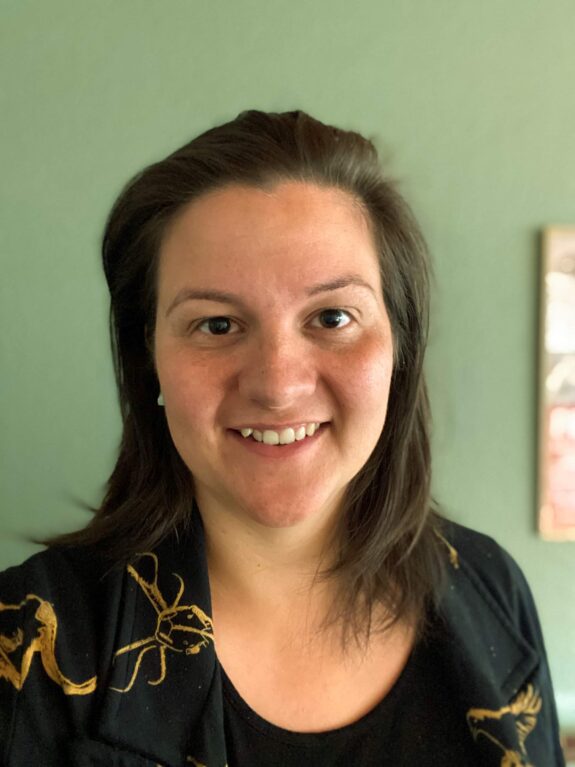
Arnakkuluk Jo Kleist is a Greenlandic consultant and co-founder of Pikiala ApS. With extensive experience in leadership, communications, and cultural development, Arnakkuluk served as CEO of Katuaq – Greenland’s Cultural Centre from 2018 to 2023, where she led the organization’s strategic and cultural development. In addition to her leadership roles, Arnakkuluk has been actively involved in Greenland’s cultural sector in other ways, serving as both Vice Chair and Chair of the Greenland’s Art Foundation.
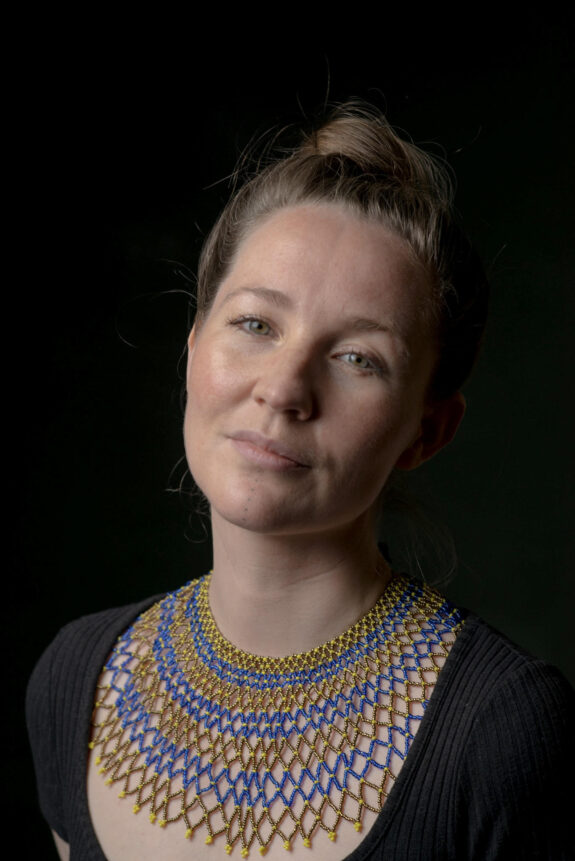
Nivi Christensen is an Inuk from Kalaallit Nunaat (Greenland) and has served as Museum Director at Nuuk Art Museum since 2015. She holds a Master’s degree in Art History. She specialized in art from and about Kalaallit Nunaat, and is a regular writer and commentator on art from Kalaallit Nunaat both locally and internationally. Christensen sits on a number of boards, including the Greenlandic Museum Board, and serves as Chair of the Board of the National Theater in Kalaallit Nunaat. She has curated numerous exhibitions and acts as an advisor on major art projects in Kalaallit Nunaat and beyond. Through her work, Christensen is committed to creating stronger frameworks for Greenlandic art and to deepening connections between indigenous peoples engaged in cultural work across the Arctic.
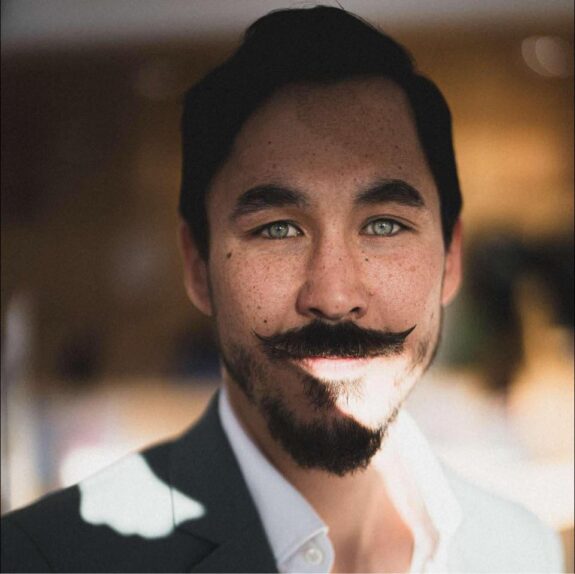
Inunnguaq Petrussen Inunnguaq Petrussen is known as a musician, singer, and songwriter, and also holds a master’s degree in social science. This background led him to work with three different political parties over the course of ten years. Throughout his career, he has also been a strong advocate for artists’ rights — particularly for musicians — through both political work and various organizations. Now, Inunnguaq Petrussen is entering the growing world of film as the CEO of the newly established Film Institute of Greenland.
Kuluk Helms is an Inuk–Danish poet, performing artist, and PhD-student whose work explores identity, belonging, and the transmission of Indigenous knowledge. Moving between Greenland and Denmark, her practice brings together poetry, performance, and storytelling, often drawing on Inuit cultural traditions and embodied forms of expression. Her research aims to illuminate the importance of access to culture and cultural practices from a Kalaallit Inuit perspective. Her academic approaches are Indigenous and western, interdisciplinary and participatory, focused on the collective effort to balance out the existing scientific power balance between paradigms.
Birte Olsen, Music Coordinator of Katuaq Cultural Centre
10.45–11.45 | Session 11 A | Curatorial Collaborations Across Borders: Curating Qillaniq, Hosted by: National Gallery of Canada
Session 11A – Curatorial Collaborations Across Borders
Theme: Sharing and Shaping
Thursday, 18 June, 10.45 – 11.45
Studion, Folkets Hus
Host: National Gallery of Canada
What does it mean to curate across the Circumpolar North from Indigenous perspectives? What does an entirely Indigenous-created exhibition look like at a national institution? This panel examines the process of curating Qillaniq, the largest Circumpolar Indigenous art exhibition in history, at the National Gallery of Canada. Curated by an all-Indigenous team from across the Arctic and organized by the Indigenous Ways and Decolonization Department at the gallery, Qillaniq is a rare example of co-curating and programming across geographies, languages, and cultural traditions, all from Indigenous perspectives.
This panel will discuss how relationships, reciprocity, and Indigenous values shaped the team’s curatorial practice and examine the opportunities and challenges of creating exhibitions that are multi-vocal, interdisciplinary, and community-centered while working across institutional and national boundaries. Through shared experiences and practical insights, panelists will reflect on the possibilities of circumpolar collaboration and the transformative potential of Indigenous-led curatorial practice.
Speakers
Reneltta Arluk, D.Litt., is Inuvialuk, Gwich’in and Denesuline, Cree from the Northwest Territories, raised by her grandparents on the trap-line until school age. This early nomadic life provided Reneltta with the unique skill set to become the multi-disciplinary nomadic performing arts artist she is. In 2008, she founded Akpik Theatre, the only professional Indigenous Theatre company existing from the Northwest Territories. Adhering to its namesake, the cloudberry, Akpik Theatre strives to flourish in the northern climate it reflects by developing, mentoring and producing performance-based work that is northern Indigenous inspired and created. Reneltta received an Honourary Doctorate of Letters from the University of Alberta in 2024 for her continual contribution to the ‘“decolonization of cultural institutions that has led to a fundamental shift in Indigenous-Settler relations in major Canadian cultural institutions.” Dr. Reneltta Arluk is currently Senior Manager for Policy, Protocols and Strategic Initiatives of Indigenous Ways & Decolonization at the National Gallery of Canada. There, she brings Indigenous-centred worldviews into the Gallery’s policy making, and supports engagement with Indigenous communities that encompass the Indigenous five value system of: Respect, Relevance, Responsibly, Relationality, and Reciprocity.
Ooleepeeka Eegeesiak is an Inuk/qallunaaq born in Iqaluit, Nunavut; raised in Treaty 6 and 7, and currently lives in unceded Anishinaabe Algonquin lands, Ottawa. She is an emerging curator, writer, poet, eldest sister and amateur gardener. Her curatorial, writing and visual practices centre around ecology, livable futures, family, diaspora, storytelling and climate change.
Nadia Jackinsky-Sethi (Alutiiq) is an art historian, independent curator, and author from the Kachemak Bay region of Alaska. She is a program director at Native Movement and a program manager for the Alaska Native Arts Foundation. Nadia Jackinsky-Sethi’s research focuses on Alaska Native arts revitalization, museum sovereignty, and Indigenous aesthetics.
Steven Loft is Kanien’kehá: ka (also known as Mohawk), turtle clan of the Six Nations of the Grand River, also with Jewish heritage. In 2021, he was appointed the inaugural Vice President for the Indigenous Ways and Decolonization Department at the National Gallery of Canada, the first Indigenous senior executive in the gallery’s history. Before this, he was the Director of Strategic Initiatives for Indigenous Arts and Culture and previously, Director of the Creating, Knowing and Sharing: The Arts and Cultures of First Nations, Inuit and Métis Peoples program with the Canada Council for the Arts. A noted curator, scholar, writer, and media artist, in 2010 he was named Trudeau National Visiting Fellow at (now) Toronto Metropolitan University in Toronto (2010-2013). Loft has also held positions as Curator-In-Residence, Indigenous Art at the National Gallery of Canada, Director/Curator of the Urban Shaman Gallery (Winnipeg); Aboriginal Curator at the Art Gallery of Hamilton, Producer and Artistic Director of the Native Indian/Inuit Photographers’ Association (Hamilton) and Executive Director of the ImagineNative Film and Media Arts Festival. He has curated group and solo exhibitions across Canada and internationally; written extensively for magazines, catalogues and arts publications. A sought-after speaker, Loft has lectured widely in Canada and abroad on issues of Indigenous art, culture and decolonization. Loft co-edited the books Transference, Tradition, Technology: Native New Media Exploring Visual and Digital Culture (2005) and Coded Territories: Tracing Indigenous Pathways in New Media Art (2014).
Jocelyn Piirainen is an urban Inuk currently living and working on the unceded Anishinaabe Algonquin Territory, in Ottawa, ON. Originally from Ikaluktutiak (Cambridge Bay), NU, she is an Associate Curator of Indigenous Art at the National Gallery of Canada, and previously held the position of Associate Curator of Inuit Art at WAG-Qaumajuq. She has contributed to various exhibitions, publications, curatorial projects, and film screenings for galleries and arts festivals, including the Canadian Centre of Architecture in Montreal, QC, SAW Gallery in Ottawa, ON, the Art Gallery of Ontario in Toronto, ON, among others. When not working as a curator, her artistic practice involves analog photography and film, experimenting with Polaroids and Super 8 film — as well as honing her crochet and beading skills.
10.45–11.45 | Session 11 B | Inuusa! Art and Mental Health in Greenland, Hosted by: World Health Organization and Nordic Culture Fund
Session 11B – ‘Inuusa!’ Art and Mental Health in Greenland
Theme: Sustainable Development
Thursday, 18 June 2026, 10.30-11.30
Idun, Folkets Hus
Hosted by: WHO and Nordic Culture Fund
This panel will explore the purpose, context, and promise of artistic interventions for mental health of young people in the Circumpolar region. It will do so by focusing discussion around a pilot project called ‘Inuusa!’. ‘Innusa!’ is a co-created, inclusive project with young people that was piloted in Aasiaat, Greenland. The aim of the intervention is to work with young people to examine how they would like to engage in artistic creation, and use this co-creative process as a basis for a project that aims to improve mental health and well-being using art and creativity
The discussion will be broadly based around key questions:
– What is ‘Inuusa!’?
– Can artistic interventions help with the mental health of young people within the circumpolar region?
– What is it helpful to consider when implementing arts and health projects, and what has ‘Inuusa!’ taught us?
– What else can we learn from ‘Inuusa!’, and arts and health interventions more generally, regarding mental health in the circumpolar region?
Speakers
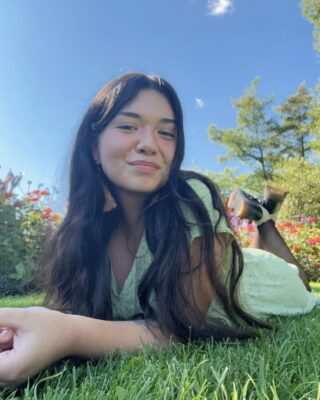
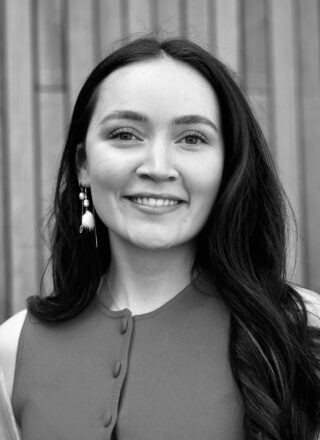
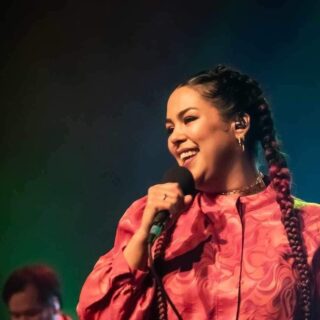
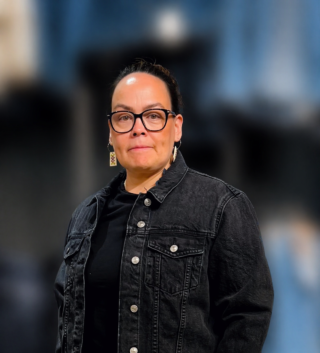
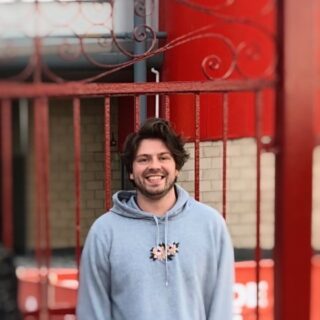
Nukarleq Ivalo Olsen Jeremiassen is a young Inuk PhD student from Kalaallit Nunaat. She holds an MSc in Public Health from Aarhus University and is affiliated with Innuttaasut Peqqissusiannik Ilisimatusarfik (Centre for Public Health in Greenland) at the University of Southern Denmark. Her work focuses on child safeguarding across research and community settings in diverse cultural contexts, with a particular interest in prevention and supporting Kalaallit Inuit children’s and young people’s well-being. Her PhD builds on this by exploring children’s digital lives, with a focus on well-being and protection.
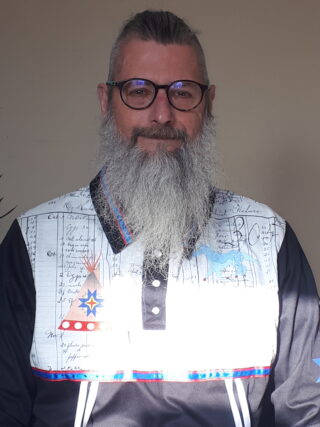
Paaliit Mølgaard Rasmussen is an Inuk actor, singer, and musician from Kalaallit Nunaat. Paaliit trained as a professional actor at the National Acting School of Greenland in Nuuk. She frequently serves as a host and presenter for major national broadcasts on Kalaaliit Nunaata Radioa (KNR), the Greenlandic national public broadcasting corporation. Paaliit is the lead singer of Sauwestauri, and has appeared at events such as the Arctic Sounds Music Festival and the Akisuanerit Festival. Paaliit is the artistic lead for the ‘Inuusa!’ project.
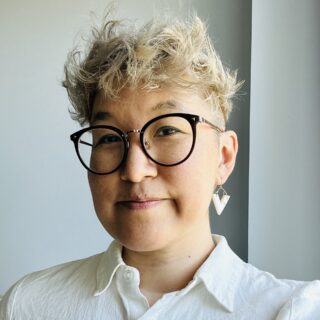
Vivi Vold is an Inuk researcher from Kalaallit Nunaat. She is a researcher at UiT The Arctic University of Norway, affiliated with the Birgejupmi project, a guest researcher at the University of Copenhagen, and a PhD fellow at Ilisimatusarfik, University of Greenland. Her work focuses on Inuit knowledge systems, relational methodologies, silence, embodiment, research ethics, and decolonial research practices in Kalaallit Nunaat. Through academic and artistic approaches, she explores how Inuit perspectives and values can reshape understandings of research, ethics, and knowledge production.
Calum Smith is a researcher based in Bristol, UK. He is a Research Fellow in Public health at the University of Oxford and a consultant at the World Health Organisation Regional Office for Europe. He received his PhD in Public Health from the University of Oxford, and his master’s degree focusing on public health policy from the University of Cambridge. As a consultant for the WHO since 2020, Calum helps to run projects that aim to use art, culture, and creativity to help with mental health and wellbeing. Here he has also been involved in a range of projects that aim to promote the use of arts and health within policy at an international level.
10.45–11.45 | Session 11 C | Art and Mining, Hosted by: Umeå University
Session 11C – Art and Mining
Theme: Sovereign Stories
Thursday, 18 June 10.45-11.45
Tystnad, Väven
Today, increases in energy consumption and the production of new technologies are driving mining and prospecting for iron ore, rare earths to build data centres and nuclear reactors. Sweden is experiencing an increase in mining across Sápmi, including moving the town of Kiruna, and new prospecting for Uranium in Jamtland and Västerbotten; Trump is attempting to take over Greenland for its rare earths; Art activists in Repparfjord are protesting against the new copper mine in Norway. This panel brings together artists investigating mining and extraction in Greenland, Sweden and across the Arctic to consider how artists are tackling these geopolitical forces at a local scale.
Participants
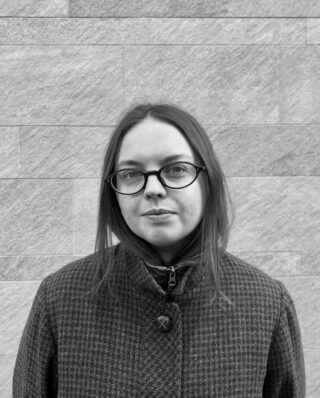
Emma Pettersson Juntti (b.1995 in Malmberget) is a Lantalainen producer and mediator at Kin Museum of Contemporary Art in Kiruna, Norrbotten, Sápmi. She is engaged in questions regarding minority rights as well as language- and cultural revitalisation practices.
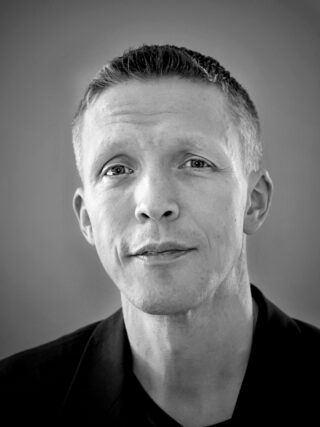
Inuk Jørgensen is an award-winning Greenlandic filmmaker and producer and a voting member of the European Film Academy. As an Indigenous filmmaker he has a focus on aesthetic images and personal stories that touch upon the identity, history, and culture of the Greenlandic Inuit people. His short films have screened at 200 international events and film festivals, winning awards in as diverse countries as the U.S., Norway, Finland, India, Canada, Ukraine, Sweden, Spain, and Greenland.
www.inuks.dk
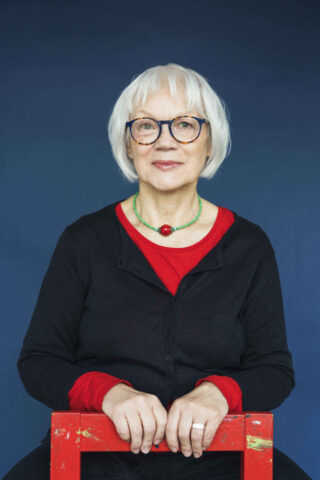
Britta Marakatt-Labba originates from Lainiovouma Sámi village (Sameby) and lives in Övre Sopporo where she belonges to Saarivouma Sámi village. She is an artist and a reindeer owner. She was educated at HDK, the Academy of Arts and Crafts at the University of Gothenburg 1974-1978. Britta was involved in forming the Masi group in 1979 and soon after in creating SDS, Nordisk Samisk konstnärsförbund, a Sámi artists’ organization. In 2011 she published the book Broderade berättelser. Britta has been awarded the Illis-Quorum-Meruere-Labores medal of the 8th grade, the Grannevik grant in 2015 and the Stig Dagerman award in 2019. Since 2014, she has been an honorary doctor (Filosofie) from the Humanities faculty at Umeå University. She is also an honorary doctor (Æresdoktor) from the faculty for art, music and design at Bergen University (2022), from OsloMet University in Oslo (2025) and from UiT, The Arctic University of Norway, Tromsø (2026).
www.brittamarakattlabba.com
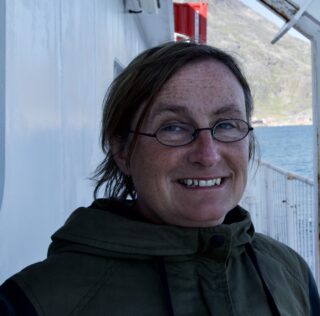
Lise Autogena is a Danish-born artist and Professor of Cross Disciplinary Art at Sheffield Hallam University, UK. Autogena works in collaboration with Joshua Portway. Her long-term engagement with the Arctic began with the film Kuannersuit; Kvanefjeld (2016) that examined the social, democratic, and geo-political tensions surrounding rare earth and uranium mining in Narsaq, South Greenland. In 2000 she founded the Narsaq International Research Station (NIRS) as a pioneering cross-disciplinary research Hub to ensure that research on human rights, climate change, and environmental protection directly benefits local people. Autogena’s work has been exhibited in art institutions worldwide. Autogena is a Fellow of The Arts Foundation and The National Endowment for Science, Technology and the Arts. In 2024 she was awarded the Danish National Art Foundation’s Lifelong Honorary Award for her significant contribution to the arts.
https://www.narsaqresearchstation.gl/
https://www.autogena.org/
Elena Mazzi (Italy, 1984) is a visual artist, working with specific geographical and socio-political contexts. Her works have been displayed in many solo and collective exhibitions all over the world. She studied in Venice and Stockholm, and since 2018 her practice has focused on changing in the Arctic, working on-site between Iceland, Finland, Sweden, Norway and Greenland in relation to the possible Polar Silk Road project, under development. She is currently a PhD candidate at Villa Arson and Université Côte d’Azur, Nice. Elena Mazzi is currently exhibiting in the exhibition Future Cartographies at Galleri Verklighete in Umeå/Upmeje.
https://elenamazzi.com/
10.45–11.45 | Session 11 D | Building. Pathways: Mentoring. Indigenous Professionals for Lasting Change, Hosted by: Alaska Native Heritage Center
Session 11D – Building. Pathways: Mentoring. Indigenous Professionals for Lasting Change
Theme: Indigenous Leadership
18 June 2026, 13.00-14.00
Women’s History Museum, Väven
Host: Alaska Native Heritage Center
Strong mentorship is essential to supporting the next generation of Indigenous leaders, artists, researchers, and cultural professionals across the Circumpolar North. This panel explores effective approaches to mentorship that foster professional growth while strengthening cultural knowledge, community connections, and Indigenous self-determination.
Panelists will share experiences from formal and informal mentorship programs, intergenerational learning initiatives, workplace development opportunities, and community-based models that center Indigenous values and ways of knowing. The discussion will examine how institutions, organizations, and senior professionals can create pathways for emerging Indigenous practitioners to access training, networks, leadership opportunities, and meaningful career advancement.
The session will also address common challenges, including limited resources, geographic distances, and the need for culturally responsive support systems. By highlighting successful strategies and lessons learned from across Arctic regions, the panel aims to inspire practical actions that help cultivate, retain, and empower Indigenous professionals for generations to come.
Panelists:
Ooleepeeka Eegeesiak, National Gallery of Canada
Maanguaq Rosing, Nuuk Art Museum
Laura Hodgins
Dani Printup
10.45–11.45 | Session 11 E | Performing Arts as a Force for Reconciliation, Hosted by: Tornedalsteatern
Session 11E: Performing Arts as a Force for Reconciliation
Theme: Sustainable Futures
18 June 2026, 10.45-11.45
Miklagård, Folkets Hus
Host: Tornedalsteatern
Across the Arctic, several reconciliation processes are ongoing between governments and Indigenous and minority communities. The effects of past injustices persist today, and the performing arts provide a means to express shared experiences and their lasting impacts on language, culture, and identity. This panel explores the role of the performing arts for reconciliation by discussing successful examples and challenges from the Arctic. The panel focuses on how artistic expression can create spaces for understanding, listening, and healing. It also examines how artists and art institutions have participated in different reconciliation processes, and considers what is needed for artists to further support long-term healing and reconciliation.
The session begins with a lecture by Frank Jørstad, who discusses the role of performing arts in bridging divides between governments and minority communities, which is followed by a conversation with performing artists and art institutions from different Arctic regions.
Speakers
Reneltta Arluk, D.Litt., is Inuvialuk, Gwich’in and Denesuline, Cree from the Northwest Territories, raised by her grandparents on the trap-line until school age. This early nomadic life provided Reneltta with the unique skill set to become the multi-disciplinary nomadic performing arts artist she is. In 2008, she founded Akpik Theatre, the only professional Indigenous Theatre company existing from the Northwest Territories. Adhering to its namesake, the cloudberry, Akpik Theatre strives to flourish in the northern climate it reflects by developing, mentoring and producing performance-based work that is northern Indigenous inspired and created. Reneltta received an Honourary Doctorate of Letters from the University of Alberta in 2024 for her continual contribution to the ‘“decolonization of cultural institutions that has led to a fundamental shift in Indigenous-Settler relations in major Canadian cultural institutions.” Dr. Reneltta Arluk is currently Senior Manager for Policy, Protocols and Strategic Initiatives of Indigenous Ways & Decolonization at the National Gallery of Canada. There, she brings Indigenous-centred worldviews into the Gallery’s policy making, and supports engagement with Indigenous communities that encompass the Indigenous five value system of: Respect, Relevance, Responsibly, Relationality, and Reciprocity.
10.45–11.45 | Session 11 F | Arctic Frequencies: Who Gets Heard in the North?, Hosted by: Taqramiut Nipingat Inc.
Session 11F – Arctic Frequencies; Who gets Heard in the North?
Theme: Small places, strong communities
Wednesday, 18 June 2026, 10.45-11.45
Vävenscenen
Host Taqramiut Nipingat Inc.
Indigenous broadcasting and language revitalization play a vital role in sustaining culture, identity, and community. This work is especially important as Indigenous media organizations continue to navigate a rapidly changing landscape shaped by new platforms, evolving storytelling formats, and the ongoing need to support language sustainability.
Moderated by Shane Taurima, this conversational panel will explore the importance of Indigenous-language media in the Arctic and around the world. The discussion will highlight how media can strengthen language use, support cultural continuity, and ensure northern voices are heard on their own terms.
The panel brings together Indigenous broadcasting leaders Monika Ille, Johan Ailo Kalstad, and Julie Grenier, representing Circumpolar regions where Indigenous languages remain widely spoken yet continue to face significant risk. Together, they will reflect on the pressures created by social media, widely accessible global platforms, and the dominance of English-language content, while also sharing how they are innovating to keep Indigenous-language media relevant, engaging, and meaningful for their communities.
Speakers
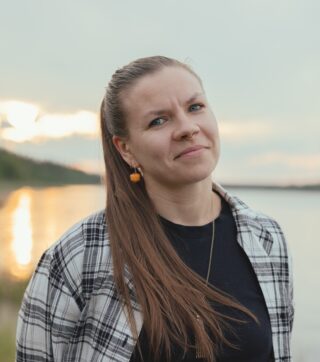
Julie Grenier is an Inuk from Kuujjuaq, Nunavik, in Northern Québec. She has more than 20 years of experience in communications and Inuktitut-language broadcasting and serves as Executive Director of Taqramiut Nipingat Incorporated (TNI), the world’s only radio broadcaster operating entirely in Inuktitut. She joined the APTN Board of Directors in 2015 and has served as Chair since 2019. She also serves as Secretary-Treasurer of the Inuit Art Foundation Board of Directors. Julie is also an internationally recognized artist specializing in traditional and contemporary sewing and a master bead worker.
Monika Ille is a proud member of the Abenaki First Nation of Odanak in Québec, Canada, and a recognized leader in Canada’s broadcasting industry. With more than 35 years of experience, she has held positions at Radio-Canada, the National Film Board of Canada, and APTN, where she became Chief Executive Officer in 2019. A graduate of the Université du Québec à Montréal and holder of a McGill–HEC Montréal Executive MBA, she is known for her visionary leadership and her commitment to Indigenous storytelling. She has received numerous honors, including the King Charles III Coronation Medal, and is counted among the most influential figures in media and entertainment in Canada.
Johan Ailo Kalstad is the Director of NRK Sápmi, the indigenous division of the Norwegian Broadcasting Corporation (NRK). Fluent in Northern Sámi and rooted in Guovdageaidnu, he has extensive leadership experience within the Sámi sector. Combining an editorial background with strategic management experience, he served as Director of the Sámi University of Applied Sciences prior to his current role at NRK. Today, he leads a modern media organisation that produces daily content across radio, television, and digital platforms in three Sámi languages and in Norwegian, maintaining close partnerships with public Sámi broadcasters in Sweden and Finland. His strategic focus is on digital transformation, cross-border media cooperation, and developing new ways to engage younger audiences.
Shane Taurima is Chief Executive of Whakaata Māori, New Zealand’s national Indigenous television and digital media organisation, and Chair of the World Indigenous Broadcasters Network (WIBN). A journalist and broadcaster, he advances Indigenous storytelling, language revitalisation and collaboration among Indigenous media organisations.
10.45–11.45 | Session 11 G | The Power of Knowledge, Art, and Activism in the Indigenous Arctic, Hosted by: Arctic Arts Summit
Session 11G – The Power of Knowledge, Art and Activism in the Indigenous Arctic
Theme: Indigenous Leadership
18 June 2026, 10.45 – 11.45
Multisalen, Väven
Hosted by: Arctic Arts Summit
This panel explores the role of Indigenous arts in the Arctic as dreams, languages and aesthetics that resist colonial knowledge regimes and capitalist fantasies of the future. How can Indigenous artists strengthen sovereign creations, ideas and actions grounded in Indigenous worlds? While the political role of art is widely established, the authority of art in knowledge production is less recognized. Collaborations between academia and Indigenous artists is a growing trend. Yet, Indigenous art risks appropriation or remaining a decorative add-on to academic titles and products. Whose knowledges, praxis and ethics have authority? How can we dismantle rigid divides and restructure relations between knowledge, art and activism to empower desired transformations?
Speakers
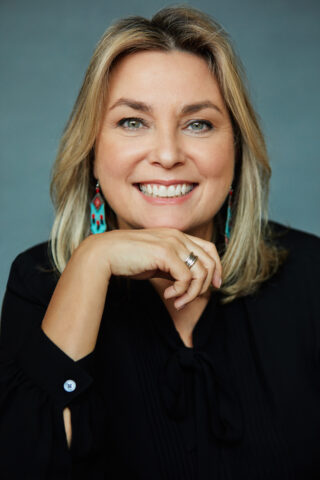
Eva Maria Fjellheim is a Southern Sámi scholar (UiO/Independent) and cultural worker engaged in decolonial and Indigenous ways of sharing and building knowledge. In 2024, she earned a PhD at the Centre for Sámi Studies (UiT), in which she examined wind energy development as a form of green colonialism. Currently, she is exploring spaces and methodologies at the interserction of academia, activism, and art.
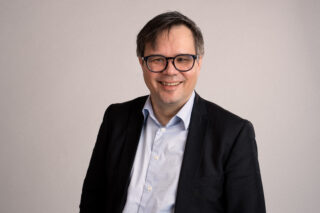
Naja Dyrendom Graugaard is Associate Professor, Center for Gender, Sexuality & Difference at the Department of Nordic Studies and Linguistics, Copenhagen University. She is a Danish-Kalaaleq (Inuk) researcher with an expertise in past and present colonial relations between Denmark and Kalaallit Nunaat (Greenland). Her research attends to decolonial, land-based, artistic, and Indigenous knowledge and narratives. She is also a scriptwriter, dramaturge, and poet.
Kuluk Helms is an Inuk–Danish poet, performing artist, and PhD-student whose work explores identity, belonging, and the transmission of Indigenous knowledge. Moving between Greenland and Denmark, her practice brings together poetry, performance, and storytelling, often drawing on Inuit cultural traditions and embodied forms of expression. Her research aims to illuminate the importance of access to culture and cultural practices from a Kalaallit Inuit perspective. Her academic approaches are Indigenous and western, interdisciplinary and participatory, focused on the collective effort to balance out the existing scientific power balance between paradigms.
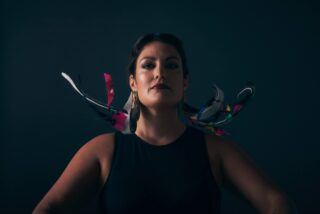
Camilla Therese Karlsen is a Sámi multitalented artist from the Norwegian side of Sápmi. She started out almost 30 years ago as a hiphop dancer and gymnast, later became a dj, before she did circus arts education in New Zealand and China. She has worked as a circus artist, physical actress, joik-singer and dancer around the globe in theatre, circus, film, and dance productions. Her latest work addresses the implications of assimilation and the resistance against green colonialism, through performances such as “Hidden Path”, “Electric Lies”, “ČSV” and “For the Greater Good”.
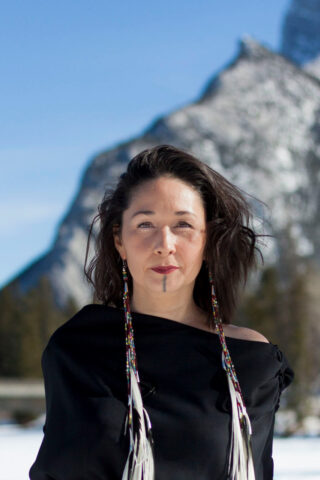
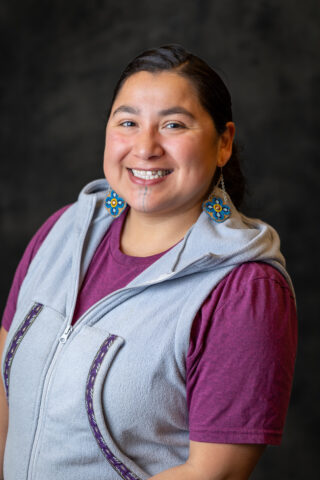
Kunaq Marjorie Tahbone Uaŋa Kunaq, Sitnasuaġmiutauruŋa. Kiŋikmiut ilutqa. Marjorie Kunaq Tahbone is from Nome, Alaska. She is Inupiaq from Wales, AK and Kiowa from Oklahoma. Kunaq is the proud mother of her 8-year-old daughter Telele Iŋmaġana. In 2012 she received her traditional tavluġun (chin tattoo) and later learned how to do kakiniit to provide the ceremony of tattooing to others. She is a seamstress, artist, teacher, traditional tattooist, and hide tanner. Kunaq works hard to encourage positive change within our communities and promotes a healthy cultural identity. Kunaq works as the director of the Katirvik Cultural Center in Nome where she will continue to focus on revitalizing the Indigenous languages of the region, cultural skills and traditions.
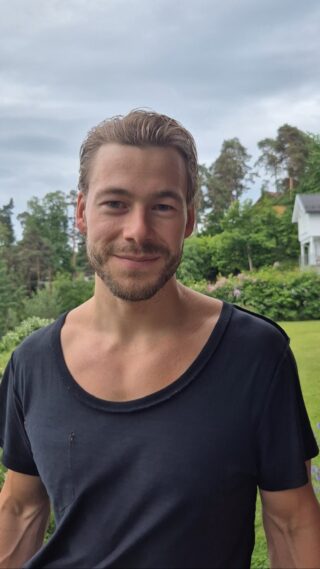
Ivar Beddari is a storyteller from Salmijärvi in Páččjok, a border valley east in Sápmi. He works as an actor, composer and dramatist. He develops concepts, texts and poetry for his own and others’ works, with a focus on the north and arctic. Páččjok has a central place in his storytelling and works, whether it is the love of preserving food and the northern nutrition, handcraft, knowledge as immaterial cultural heritage or the ecological diversity and cycle of his area. As an artist his songs are often created as tales, adapting a specific view or world while they explore the role of working as society comments as highlighting dear elements to his heritage.
10.45–11.45 | Workshop | Funding Opportunities in the Nordic Arctic, hosted by the Nordic Council of Ministers
Funding Opportunities in the Nordic Arctic
June 18 at 10.45 – 11.45
Balder, Fokets Hus
Hosted by the Nordic Council of Minsters
Welcome to a session focused on funding opportunities for culture in the Arctic region. During this session we will dive into what the Nordic Collaboration has to offer, but also gather insights and tools on what’s needed to strengthen the Nordic funding opportunities in the Arctic ahead. How well do Arctic creators’ access and make use of the available funding schemes today? How could the schemes be developed in order to better meet the specific needs of cross-border collaboration in the region?
This session includes an introductory relay dialogue, information about current funding schemes and examples of granted projects. We encourage participants to comment and ask questions during the session. Ideas and comments will be handed to the Nordic Council of Ministers.
Join us in Ubmeje/Umeå and be part of the conversation!
13.00–14.00 | Network Session | Art and Mental Health, Hosted by: WHO and Nordic Culture Fund
Art and Mental Health Network Session
Hosted by WHO and Nordic Culture Fund
18 June, 13.00-14.00
Rist, Folkets Hus
WHO and Nordic Culture Fund are jointly hosting an in person, informal networking session about ‘Inuusa!’ (Session 11B). We welcome artists, policymakers, funders, and researchers to come and discuss Inuusa!, and jointly shape the long-term sustainability of the project.
13.00–14.00 | Session 12 A | Resilient Radio, Hosted by: Umeå University
Session 12A – Resilient Radio
Theme: Small Places, Strong Communities
Thursday, 18 June 2026, 13.00-14.00
Upplev multisalen, Väven
Host: Umeå University
Analogue and digital Radio broadcasting is an essential communications network in times of peace and crisis. This panel considers radio as a cultural space for creative radio art and performance, capturing real time experience, archiving important debates, building resilient communities and networks for preparedness. We will have a live broadcast from the LungA Radio School and Seyðisfjörður Community Radio in Iceland in collaboration with radio artist Karen Werner. With an international panel to discuss how radio works in the Arctic, for Indigenous communities, and across frequencies. Join us for a debate about art, resilience, old and new radio technologies on this lively panel, and for the Resilient Radio filmscreening at Folketsbio at 18.00 on the Thursday evening with films by Astrid Ardagh and Helena Wikström.
Speakers
Ele Carpenter is Director of the UmArts Centre for Research in Architecture, Design and the Arts at Umeå University where she is Professor of Interdisciplinary Art and Culture at the School of Architecture. Her curatorial research in nuclear culture takes inspiration from Paul Baran’s network topologies for a communications network to withstand a nuclear war (1964), and the asymmetrical networks of the international Women’s Peace Movement. Recent publications include
Julie Grenier is from Kuujjuaq, a small community in Nunavik, Northern Québec. She currently resides in Notre-Dame-de-l’ile-Perrot, a small community west of Montreal, with her husband and three children. Having an Inuk mother and Francophone father, she was raised with both sets of values from those cultures. Julie is currently working as the Director General for Taqramiut Nipingat Incorporated (TNI), a regional radio and television production company that serves the Inuit of Nunavik Northern-Quebec and broadcasts 100% in the Inuktitut language. She has held different positions at TNI before taking on the director general position and she directed many documentaries and series aired on APTN on Nunavik’s community television network (NCTv) including a feature about Sheila Watt-Cloutier. In 2021, Julie was appointed to the Inuit Art Foundation Board of Directors, where she is the Secretary-Treasurer. Julie has been on the Board of Directors of APTN for 11 years and is also the current Chair of the Board of Directors of APTN, a position she has held for 7 years.
Marko Peljhan is a theatre and radio director, conceptual artist, researcher and tactical media worker. In the 90s, he was the founder of Projekt Atol and co-founder of LJUDMILA, one of the first media labs in Eastern Europe. From 1994 he worked on Makrolab, a telecommunications, migrations and weather systems research ecology station. Radio is central to his practice, he led the Insular Technologies initiative, proposing an autonomous high-frequency radio network, and operates in the radio spectrum as S54MX. Since 2004 he works on the Interpolar Transnational Art Science Constellation and from 2008, Peljhan and American-Canadian artist Matthew Biederman have led the Arctic Perspective Initiative, focusing on the global significance of the Arctic geopolitical, natural and cultural spheres. He helped conceive and launch Slovenia’s first remote sensing satellite, NEMO-HD, in 2020, serving as coordinator of international cooperation for the SPACE-SI Centre of Excellence for Space Sciences, he also works on autonomous systems and related defences against them. He is the recipient of the 2001 Golden Nica Prize at Ars Electronica with Carsten Nicolai and several other prizes; his work has been exhibited internationally at biennales (Venice and others), documenta, YCAM, ICC-NT, PS.1. MOMA, New Museum, Garage and others. Peljhan serves as professor and director of the MAT Systemics Lab at the University of California Santa Barbara.
Johan Malmstedt is a postdoctoral researcher in digital humanities at the University of Gothenburg and metaLAB @ Harvard. He holds a PhD in Media and Communication Studies from Umeå University, where his dissertation examined the stylistic development of Swedish radio broadcasting (1980–1999) through computational methods. His research explores the intersection of signal processing and media history, with a focus on audiovisual forms as objects of analysis. He currently leads the project Audiovisual Aesthetics in Formation, which investigates crossmodal alignment in Swedish and American public service television during the 1970s and 1980s using machine learning. Malmstedt has a background in the history of ideas and collaborates in several interdisciplinary projects, including Soundscapes of Warning, Welfare State Analytics: Text Mining and Modeling Swedish Politics, Media & Culture, 1945–1989, and Lägg ut! Lägg ut!: Terrorismens audiovisuella mediering i svensk television 1968–1987.
Ole-Isak Mienna is the founder of a production company with a focus on taking assignments as an editor and producer since 2024. He is the former channel manager and publisher at Swedish Sámi Radio (1999 – 2021) and the former editorial director and publisher at SVT Sápmi (2015 – 2017). Between 2002 and 2007 he was part of the Nordic project steering group that initiated and started up a Sámi radio station in Lovozero on the Kola Peninsula. He is currently engaged as editor and producer in a TV and podcast series assignment for SVT and Sámi Radio that will be released to the public in early 2027.
LungA Radio School and Seyðisfjörður Community Radio (broadcasting from Iceland)
Seyðisfjörður Community Radio is a platform founded in 2016, an experimental community radio constantly in the making. It is weaving the act of listening with the act of radio-making into the act of community. It is entangled with the LungA School, an independent, artist-led institution and situation focusing on experimentation, community and art. There is hosted Radio School, a free and participatory schooling experiment taking place in/on/through, not a school about radio. Considering the radio as a shared praxis and a space, it is where they speak/talk/listen/translate/read together in an open-ended network of people and places where everyone is welcome to contribute, participate and listen in.
www.seydisfjordurcommunityradio.net
https://www.lungaschool.is/en/radio
Karen Werner is an Austrian-based artist and sociologist making experimental radio works and performances for broadcast and narrowcast. She creates living installations and radio stations of various scales and durations, including SkottegatenFM and Radio Multe. Werner’s artworks have been part of Bergen Assembly 2025 (Norway), Finnmark Flicker + Barents Spektakle (Norway), Tsinghua Museum (China), Tonspur Kunstverein Wien + Maribor (Austria/ Slovenia), MAG3 (Austria), Kone Foundation (Finland), Kunstradio (Austria), Wave Farm (US), Australian Broadcast Corporation and others. Werner writes on a range of artistic and sociological topics including re-imagining the radio station, dialogical aesthetics and conversation as co-creation, spiritual activism, radio auto-ethnography, community economies and artistic research. She is University Professor of Artistic Research at the Mozarteum’s PhD in the Arts Program at the Institute for Open Arts in Salzburg, Austria, where she is co-founding a university-wide experimental radio station dedicated to art + research co-creation.
Helena Wikström (1964) lives and works in Umeå. Wikström works primarily with installations containing film, photography, sound and sculpture, often in collaboration with other artists, musicians or filmmakers. In addition to her involvement in the artist-run gallery Verkligheten in Umeå, she works part-time as a curator for Vita kuben, Norrlandsoperan. Her work has been shown at, among other places, Tromsö International Film Festival, Bildmuseet, LCCA, Riga, National Gallery, Prague, SVT (Swedish television) and a large number of exhibitions, festivals and projects, nationally and internationally. Represented in several municipalities and county councils, Moderna Museet and the Swedish National Art Council.
Astrid Ardagh, an artist and filmmaker from Northern Norway. Drawing inspiration from Arctic phenomenology and culture, her films unfold as immersive, sensory experiences that challenge human-centred ways of seeing. Working with a poetic visual language, she explores connections between community, nature, and our sense of belonging in an increasingly urbanised and individualised society. Astrid’s films have been shown at festivals such as Clermont-Ferrand, Ji.hlava, and the Norwegian Short Film Festival.
13.00–14.00 | Session 12 B | Land, Power and Art in the Arctic – Who is Shaping the Future in Our Home?, Hosted by: Sáminuorra
Session 12B – Land, Power and Art in the Arctic – Who is shaping the future in our home?
Theme: Sustainable Futures
Wednesday, 18 06 2026, kl. 13.00–14.00
Studion, Folketshus
Hosted by: Sáminuorra
Join us for a conversation with Sámi Youth on the creation of a collective declaration about land, self-determination and the role of art in the Arctic. The panel explores how young Sámi voices navigate questions of culture, power, representation and the future of Sápmi in an era of climate transition and increasing exploitation.
Speakers
Huga Bengtsson
Irja Edman
Kristen Petersen
Matto Skum
Ryan Almroth
Simon Lundmark Kuhmunen
13.00–14.00 | Session 12 C | Looking Forward: Long Table Discussion, Hosted by: LÓKAL Performing Arts
Session 12C – Looking Forward: Long Table Discussion
Theme: Sharing and Shaping
18 June 2026, 13.00-14.00
Women’s History Museum. Väven
Host LÓKAL Performing Arts
What does it mean to be “Arctic”? How does it empower us, and how can a common circumpolar identity contribute to our resilience and belonging? The Long Table is an “experimental open public forum that is a hybrid performance-installation-roundtable-discussion-dinner party designed to facilitate dialogue through the gathering together of people with common interests” developed by artist and academic Lois Weaver. Here, we employ that format to think about collective paths forward in the North.
Format – Long Table
Long Table Etiquette
This is a performance of a dinner table conversation
Anyone seated at the table is a guest performer
Talk is the only course
No one will moderate
But our host may assist you
It is a democracy
To participate, simply take an empty seat at the table
If the table is full, you can request to contribute
Raise your hand, and our host will give you a seat
If you leave the table, you can come back again and again
Feel free to write your comments on the tablecloth
There can be silence
There might be awkwardness
There could always be laughter
There will be an ending, but no conclusion
Facilitator
Carrying a deep passion for contemporary art practices, with a clear focus on the importance and relevance of art and art making, Ragnheiður Skúladóttir has been an active curator and mentor of international artists and producers, initiating various public and professional outreach programs throughout her career. Originally trained within theater, educated in the U.S., Ragnheiður lived for 13 years in Boulder Colorado, Iowa City, Minneapolis and New York (1987-2000). She was founding dean of the Department of Performing Arts at the Iceland University of the Arts (2000-2011). Under her leadership at IUA, the department broadened its scope, adding a contemporary dance program and a performance making program to the existing acting line. From 2012 to 2015, Ragnheiður was the artistic director of Akureyri City Theatre and the managing director for the state-run Iceland Dance Company from 2016 before moving to Norway in 2019. Ragnheiður was a co-founder and artistic director of LÓKAL (2007-2019), Reykjavík’s first international festival for theatre, dance and performance. She has also worked as a producer, dramaturg and mentor for numerous makers of theatre and dance, locally as well as internationally. Her aim has always been to strengthen the dialogue between the art disciplines, broaden the scope of the arts and to establish and forge the bond between makers and groups on an international level.
Born and raised in Reykjavík Ragnheiður Skúladóttir holds a BA in theatre and multimedia from University of Iowa and MFA from University of Minnesota. She worked and lived in New York City as a performer, performance maker, mentor and instructor. In 2000 she moved to Reykjavík after taking on the position of Dean of Department of Performing Arts at Iceland University of the Arts. Ragnheiður worked at the Academy until 2011, initiating programs in contemporary performance practices and contemporary dance. In 2008 she co-founded the LÓKAL International Theatre Festival. She was artistic director of the Akureyri City Theatre from 2012 to 2015 and manager of Iceland Dance Company 2016-2019. Ragnheiður served as the artistic director and CEO of Festspillene i Nord-Norge 2019-2025. Ragnheiður has years of experience as teacher and mentor, she has also worked with various artists/groups as a producer and as a critical friend.
13.00–14.00 | Session 12 D | Whose Memory, Whose Archive?, Hosted by: Sámi lavdi and National Sámi Archives
Session 12D – Whose Memory, Whose Archive? Indigenous Documentation, Oral Traditions and Living Knowledge
Theme: Indigenous Leadership
Thursday, 18 June 2026, 13.00-14.00
Vävenscenen
Hosted by: Sámi Lávdi and Sámi Archives
How do Indigenous communities document knowledge that was never meant to live only in boxes, databases or institutional catalogues? Emerging from Sámi Lávdi’s Lávdi Instituhtta III project, this panel explores archival and documentation practices from an Indigenous perspective, with particular attention to oral traditions, embodied knowledge, and holistic ways of knowing. The session asks what happens when storytelling, joik, ritual, performance, movement, and land-based knowledge are translated into formats shaped by Western archival logic. What is preserved, what is flattened, and what may be lost? At the same time, documentation can be a vital tool for continuity, language revitalization, cultural transmission, and Indigenous self-determination. Bringing together artists, archivists, scholars, and cultural leaders, the panel will discuss how documentation can be carried out ethically, relationally, and on Indigenous terms. It will address urgency, consent, access, authorship, intergenerational transfer, and the need to create archives that do not only store knowledge, but respect it as living practice.
Speakers
Ada Einmo J is a choreographer. stage director and lecturer. Since 2017, she has worked on the documentary project Lávdi Instituhtta (LI), owned by Sámi Lávdi / the Sámi Association of Performing Arts. The project interviews pioneers in Sami performing arts and collects, documents, preserves, and shares their history and reflections of the start and development of Sami performing arts from the 1970s onward. All material is archived at the Sami Archives.
Sirí Paulsen is a Kalaaleq-Danish dramaturg, documentarist, sound designer, and as of March 2026 also a PhD-fellow at University of Copenhagen. Sirí has worked with alternative narratives of history-writing for about a decade, and is passionate about creating alternative archives such as producing site-specific audio-walks, script-writing in theatre-, film- and TV-productions such as PanArctic Vision.
Johan Vasara is the Director of The Sámi Archives, a part of the National Archives of Norway. His work is connected to how archives, cultural heritage and shared memory can be preserved, made accessible and understood in contemporary society. At Arctic Arts Summit 2026 in Umeå, he will contribute perspectives on the role of archives in supporting Indigenous knowledge, dialogue and cultural exchange across the Arctic region.
More speaker information to come.
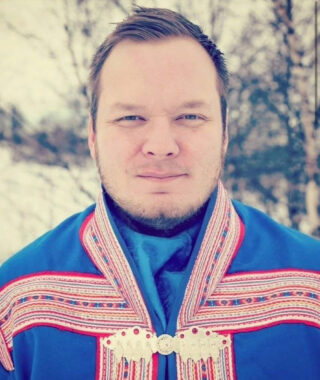
13.00–14.00 | Session 12 E | Breaking Patterns: Allannguineq, Hosted by: Nuuk Art Museum
Session 12 E – Breaking Patterns: Allannguineq
Theme: Small Places, Strong Communities
18 June 2026, 13.00-14.00
Miklagård, Folkets Hus
Host: Nuuk Art Museum
Every culture carries patterns — woven with theads, encoded in language, embedded in ritual, passed down through generations. Some patterns are cherished and carefully tended; others are the marks of rupture, of colonial imposition, of inherited harm that communities actively work to unmake.
For this panel, we have invited Indigenous artists from across the circumpolar world to discuss how they engage with cultural patterns and heritage in their practices — and how the act of breaking a pattern can be as deliberate and creative as the act of sustaining one. Whether unraveling a damaging norm, departing from a formal tradition, or finding entirely new forms to carry generational knowledge, these artists navigate the tension between preservation and transformation with intention and skill.
The title is made in courtesy of the artist Arnajaraq Støvlbæk.
Speakers
Dr. Heather Igloliorte, an Inuk-Newfoundlander and Nunatsiavut Beneficiary, is the Canada Excellence Research Chair in Decolonial and Transformational Indigenous Art Practices at the University of Victoria, BC, where she is a Professor in the Visual Arts Department. Heather has been a curator since 2005 and has worked on more than thirty curatorial projects; she was recently the Curator of the 2025 Bonavista Biennale: String Games. Her curatorial work has been recognized by The Hnatyshyn Foundation with the Award for Curatorial Excellence in Contemporary Art (2021). Igloliorte publishes frequently on Indigenous art and curatorial practice, especially regarding Circumpolar arts, including her co-edited volumes Arctic Prisms: Indigenous Arts of the Circumpolar World (2023) and Qummut qukiria!: Art, Culture, and Sovereignty across Inuit Nunaat and Sápmi: Mobilizing the Circumpolar North (2022). Igloliorte has served on many museum and gallery advisories, councils and juries. She is Past President of the board of the Inuit Art Foundation, and was the first Indigenous person in Canada to be awarded a Royal Canadian Academy of Arts Medal for her service to Indigenous art and artists, also in 2021. Heather participated in the Summits in 2017 and 2019, and was the Curator of Visual Arts and Summit Coordinating Producer for the Whitehorse AAS in 2022.
Carola Grahn received her MFA from The Royal Institute of Art in Stockholm 2013. Carola Grahn primarily focuses on thematic, idea-based work, in large scale projects, mainly involving sculpture, installation strategies, and the materialization of text and sound to question structures of power, politics and identity. She is interested in perceptions of nature, social roles and our relationships, Grahn’s Sámi heritage being a central impetus and part of her practice. Grahn has been awarded Asmund and Lizzie Arles Sculpture Price 2021 and has received several grants. Her work has recently been shown at Liljevalchs Konsthall (solo), Helsinki Art Biennal, Bergen Kunsthall, Buffalo AKG Art Museum, Nuit Blanche Toronto and Canadian Centre for Architecture amongst many others. She is represented in the collections of Moderna Museet, The Mercedes-Benz Art Collection, Public Art Agency Sweden, Sámiid Vuorká-Dávvirat (The Sami Collections) and others.
Arnajaraq Støvlbæk (b. 1976, Kalaallit Nunaat/Greenland) is an artist, designer, curator and photographer working in Sisimiut, Greenland. She studied in Greenland, Denmark, Iceland and Norway. Her most recent works have been exhibited in group exhibitions at Nuuk Art Museum, and she has exhibited internationally over the past 20 years. One of her video pieces was purchased by Nuuk Art Museum as a part of the permanent exhibition in 2024. She is currently a member of the Board of Regulators for Nordatlantens Brygge, Copenhagen. She has also held key roles within the cultural life of Greenland, including Chair of the National Theatre of Greenland, and the Director of Sisimiut Cultural Centre. Arnajaraq’s latest art works reflect on the patterns that have remained as a result of colonialism and oppression. She literally works with bead patterns, made by grandmothers and breaks them into pieces to be restored. Aanaa, grandmother, links the past to the present and makes a hard topic easier to discuss within generations and genders.
Alberte Parnuuna (b. 1995) is a Copenhagen-based visual artist, filmmaker and 2D animator. Originally from Nuuk, Parnuuna’s practice revolves around personal, political and poetic storytelling—often diving into themes of cultural codes, memory and identity, as well as the long shadows of colonial history. Her animation company, founded in 2024, is called “siorssuk visuals”. Parnuuna holds a Bachelor of Fine Arts in Film and Media Science (2018) and a Master of Fine Arts in Visual Culture (2022) from the University of Copenhagen. She has participated in group exhibitions, film programs and talks in several places in Europe, North America and Kalaallit Nunaat.
Michael Massie is a mixed-media artist based out of Kippens, NL. He utilizes a range of imagery and mediums including metal, stone, bone, wood and textiles. Massie’s pieces are often comical and related to his personal life, frequently featuring witty titles.
Massie’s art gained public awareness after he was featured in a 1992 issue of the Inuit Art Quarterly. The popularity of Massie’s work broadened public conceptions of Inuit art as southern audiences had traditionally been dismissive of work that was not stone, bone or were materials otherwise considered to be inauthentic. Massie has exhibited across Canada and internationally. His artwork is held in major public collections such as the National Gallery of Canada in Ottawa, ON, which acquired his piece uni-tea (2000) featuring a spiralling ebony narwhal tusk in 2004. In 2006 Massie’s first curated solo exhibition Silver & Stone: The Art of Michael Massie was held at The Rooms in St. John’s, NL. Massie was elected as a Member of the Royal Canadian Academy of Arts in 2011 and was appointed a Member of the Order of Canada in 2017.
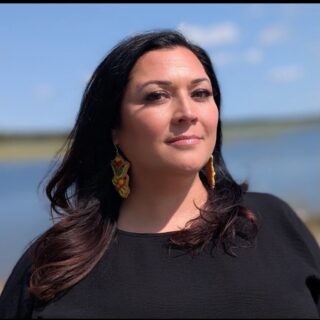
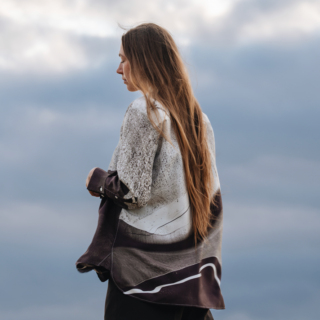
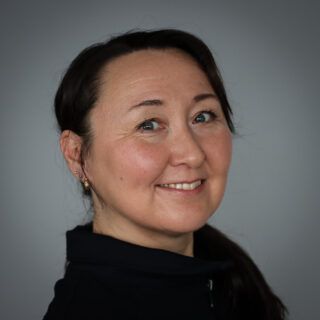
13.00–14.00 | Session 12 F | Reputational Security: Why Soft Power Matters, Hosted by: Arctic Arts Summit
Session 12F – Reputational security: Why soft power matters in hard times
Theme: Sustainable Futures
18 June 2026, 13.00-14.00
Idun, Folkets Hus
Host: Arctic Arts Summit
In an era defined by geopolitical risk and democratic erosion, art, culture and soft power are playing an increasingly decisive role, with profound implications for security policy. In his forthcoming book Rules of Attraction: Why Soft Power Matters in Hard Times, Martin Gelin examines how soft power has been instrumental in strengthening democratic resilience, mobilizing international support, and fostering a sense of community in crises,drawing particularly on cases from the Arctic and Baltic regions, as well as from East Asia – with contemporary examples from Ukraine, South Korea and Taiwan. These young democracies have all understood the concept of reputational security – an updated understanding of soft power, not just as an instrument for tourism and trade, but for regional survival. For democracy to endure, democratic societies must be seen as attractive.
Keynote Speaker
Martin Gelin
13.00–14.00 | Session 12 G | Who Tells Arctic Stories?, Hosted by: Jillat and NANU
Session 12G – Who Tells Arctic Stories? Appropriation Risks
Theme: Sovereign Stories
18 June 2026, 13.00 – 14.00
Peterson-Bergensalen, Folkets Hus
Host: Jillat Dancecenter
The Arctic is often described from the outside: as wilderness, resource, climate symbol, exotic backdrop or future frontier. But who has the right, knowledge and responsibility to tell Arctic stories?
14.15-15.15 | Network Session | Hide Tanning, Hosted by Dene Nahjo
Hide Tanning Network Session
16 June 2026, 14.15-15.15
Host: Dene Nahjo
Ask, Folkets Hus
Open to All
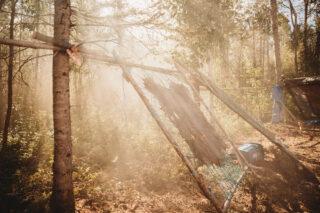
This is a space for hide tanners to connect and discuss their work, and for people to learn more about Dene Nahjo’s hide tanning initiatives. The goal of this event is to build a network of hide tanners across the circumpolar world that can lead to arts-based and/or research collaborations.
Dene Nahjo is an Indigenous innovation and arts collective based in Sǫ̀mbak’è, Denendeh (Yellowknife, Northwest Territories Canada) that has been organizing hide tanning camps since 2014.
Hide tanning is a labour-intensive process requiring a great deal of skill, hand-made tools, and knowledge about the land. Hide tanning camps are not only places where people can tan hides. They are places where people can connect deeply with the land and community while learning, practicing, embodying, and sharing knowledge that is meaningful and transformative. This knowledge can be understood or described as governance principles, ceremonial knowledge, language, law, stories, protocols and more.
Dene Nahjo Hide Tanner, Tania Larsson, will present on Dene Nahjo’s hide tanning initiatives and facilitate a discussion amongst attendees.

14.15–15.30 | Session 13 | Beyond the Summit: The Arctic We Choose, Hosted by: Arctic Arts Summit
Beyond the Summit: The Arctic We Choose
As Arctic Arts Summit 2026 draws to a close, this final conversation looks beyond the discussions, partnerships, and ideas that have shaped the week in Ubmeje/Umeå. What kind of Arctic do we want to build together in the years ahead? What responsibilities do cultural leaders, institutions, artists, municipalities, and governments carry in shaping that future?
Bringing together representatives from the Swedish host partners of AAS 2026 and the Greenlandic team preparing to welcome the Arctic to Nuuk in 2028, the panel reflects on the Summit’s key insights while looking forward to the next chapter of Arctic cooperation.
In a time marked by profound geopolitical change, accelerating environmental transformation, and growing demands for Indigenous self-determination, culture is increasingly recognized as essential infrastructure for resilient and democratic societies. How can the relationships forged at this summit translate into lasting action? What should be carried forward, strengthened, or reimagined?
Part reflection, part handover, and part call to action, this closing session invites participants to consider not only the Arctic we inhabit—but the Arctic we choose to create together.
