Discursive Programming
Tuesday, June 16


09.00–10.30 | Session 1 | Culture at the Core: Shaping Policy for the Arctic We Share, Hosted by: Arctic Arts Summit
Plenary Session 1 – Culture at the Core: Shaping the Future of the Arctic Together
Theme: The Art of Geopolitics
Tuesday, 16 June 2026, 9.00 – 10.30
Idun, Folkets Hus
As Arctic societies navigate rapid environmental, geopolitical, and social change, culture remains a vital foundation for resilience, identity, and cooperation. This opening plenary brings together the Ministers of Culture from Sweden, Norway, and Finland, alongside representatives from across the Circumpolar region, to reflect on the role of cultural policy in shaping a sustainable and inclusive Arctic future.
Framed within the unique context of Arctic Arts Summit—the world’s only and largest platform for cultural policy analysis and professional cultural cooperation in the Arctic—the conversation will explore shared priorities, emerging challenges, and opportunities for strengthened collaboration. How can cultural policy contribute to resilience, democratic societies, and international dialogue in the North? And how can we ensure that cultural voices remain central in times of transformation?
The panel discussion will be led by Maria Utsi.
Speakers
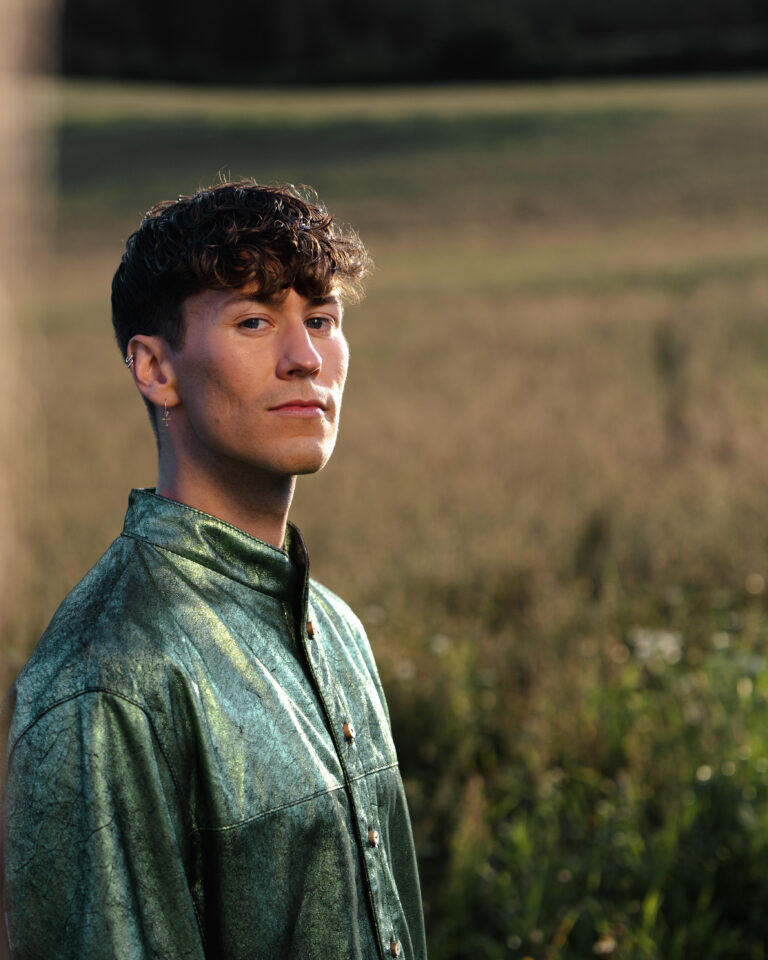
Parisa Liljestrand, Minister for Culture, Sweden
Lubna Jaffrey, Minister for Culture and Equality Norway
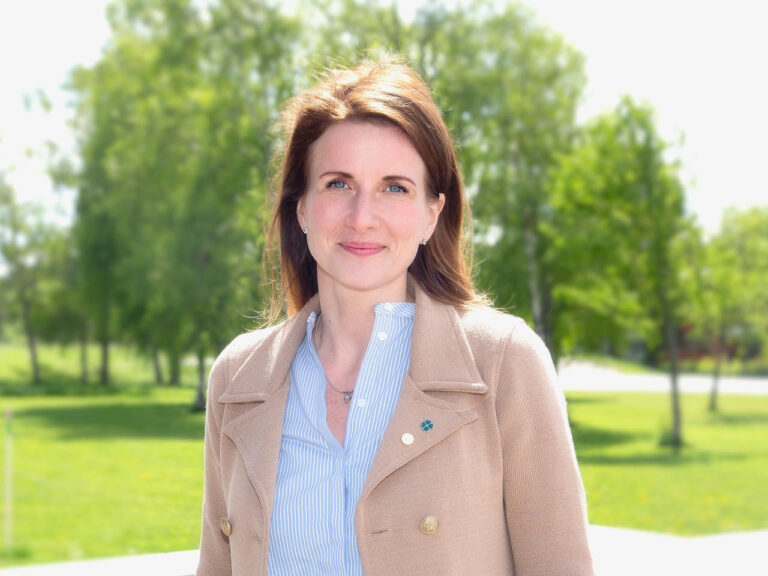
Mari-Leena Talvitie, Minister for Science and Culture, Finland
Virginia Mearns, Arctic Ambassador, Canada
Arna Kristin Einarsdottir, Director General, Ministry for culture, innovation and higher education, Iceland
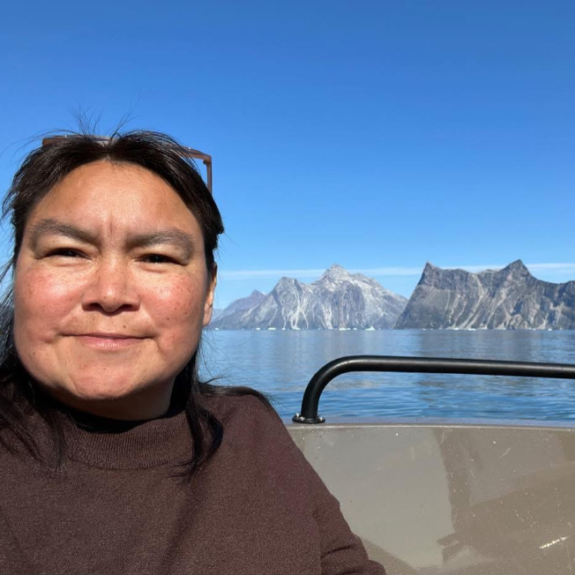
Nivi Olsen, Minister for culture and churches, Greenland
10.45–11.45 | Session 2 A | Power, Protocols and Indigenous Collaboration, Hosted by: Nordic Institute in Greenland (NAPA)
Session 2A – Power, protocols and Indigenous collaboration
Theme: Indigenous Leadership
Tuesday 16 June 2026, 10.45-11.45
Vävenscenen
Host: The Nordic Institute of Greenland (NAPA)
What does respectful collaboration with Indigenous artists, cultural institutions, and communities actually look like in practice?
Across the Arctic and beyond, Indigenous cultural actors are increasingly calling for collaboration built on respect, reciprocity, consent, and shared authority – not extraction or symbolic inclusion. This panel brings together voices from Kalaallit Nunaat and the Arctic to discuss how Indigenous-led frameworks, protocols, and cultural guidelines are being developed across different contexts within the arts and culture field.
The conversation will explore questions of narrative sovereignty, representation, authorship, and decision-making: Who has the right to tell stories? Who sets the terms of collaboration? And how can institutions and external partners engage ethically with Indigenous cultural contexts?
The panel will include reflections from ongoing work in Kalaallit Nunaat to develop cultural guidelines for collaboration with the Indigenous arts and culture sector, alongside experiences from other Indigenous-led initiatives.
Speakers
AneMarie Ottosen (Amo) is a teacher and a theater maker. She has a teaching bachelor degree from 2012, and an acting education background from the School of Acting in Greenland from 2016. She has been a board member of different cultural boards in Greenland and art funds. AneMarie has been working in the arts and cultural scene for the last twenty years and has been working and collaborating with different people across Greenland but also people from abroad.
Inunnguaq Petrussen is known as a musician, singer, and songwriter, and also holds a master’s degree in social science. This background led him to work with three different political parties over the course of ten years. Throughout his career, he has also been a strong advocate for artists’ rights — particularly for musicians — through both political work and various organizations. Now, Inunnguaq Petrussen is entering the growing world of film as the CEO of the newly established Film Institute of Greenland.
Trevor Wright is the Interim Director of Tourism and Cultural Industries (TCI) division under the Government of Nunavut in Arctic Canada. Trevor is mixed Cree and Inuk and has worked as a journalist in northern Canada for over seven years and is currently studying public administration.
Vivi Vold is an Inuk researcher from Kalaallit Nunaat. She is a researcher at UiT The Arctic University of Norway, affiliated with the Birgejupmi project, a guest researcher at the University of Copenhagen, and a PhD fellow at Ilisimatusarfik, University of Greenland. Her work focuses on Inuit knowledge systems, relational methodologies,research ethics, and decolonial research practices in Kalaallit Nunaat.
Elizabeth Logue is of Algonquin /Irish decent (Kitigan Zibi Anishinabe First Nation). Over her more than 25 years as a federal public servant she has worked on building networks between Indigenous and non-Indigenous communities, governments and organizations, federal, provincial and territorial governments and working to find creative solutions and bringing ideas to life. She is Director, Creating, Knowing and Sharing- The Arts and Cultures of First Nations, Inuit and Metis Peoples. Previous to this she worked at the Canadian Department of Justice on the implementation of the United Nations Declaration on the Rights of Indigenous Peoples. Highlights of her career include work on the Advisory Committee for the permanent Arctic Gallery at the Canadian Museum of Nature. Elizabeth also has trained in theatre and has also been an Arts festival producer and performer. She lives on unceded Algonquin Anishinaabe territory with her husband Alasdair and two children Calum (19) and Mairi (16) and dog Gusta.
Sylvia Cloutier, originally from Kuujjuaq, Nunavik, and now based in Iqaluit, Nunavut, is an Inuit performing artist, producer, director, and cultural leader known for Inuit throat singing and drum dancing. She has collaborated with artists and organizations internationally and co-founded Aqsarniit, a performance company dedicated to promoting Inuit culture. Throughout her career, Cloutier has produced television programs, led youth arts and social development initiatives, served as Artistic Director of Qaggiq Theatre Company, and managed cultural and social circus programs across Nunavut and Nunavik. She has received several honors, including Pauktuutit’s Woman of the Year award, and is the producer and co-director of TULUGAK, a project bringing together Inuit performers from Canada and Greenland. She currently works as a television producer with the Inuit Broadcasting Corporation in Iqaluit.
10.45–11.45 | Session 2 B | Returning Home: Approaches to Ethical Repatriation, Hosted by: Alaska Native Heritage Center and National Heritage Board
Session 2B – Returning Home: Ethical Approaches to Repatriation
Theme: Sovereign Stories
Tuesday, 16 June 2026, 10.45-11.45
Miklagård, Folkets Hus
Host: Alaska Native Heritage Center
Across the Circumpolar North, Indigenous communities are increasingly calling for the return of cultural belongings, artworks, archives, and knowledge held in museums, universities, and private collections. This panel examines the ethical, practical, and relational dimensions of return, moving beyond questions of ownership to consider responsibility, stewardship, and self-determination. Panelists will share experiences navigating legal frameworks, institutional barriers, community priorities, and cross-border collaborations, while highlighting examples of successful returns and ongoing partnerships.
The session will also consider the importance of transparency and trust-building, and how institutions can support community-led decision-making throughout the return process. By centering Indigenous perspectives, this conversation seeks to advance more ethical, equitable, and culturally grounded approaches to caring for and reconnecting communities with their heritage.
10.45–11.45 | Session 2 C | European Capitals of Culture in Sápmi: Legacy, Visibility, Power, Hosted by: Oulu 2026 and Kiruna 2029
Session 2C – European Capitals of Culture in Sápmi: Legacy, Visibility, Power
Theme: Sustainable Futures
Tuesday, 16 June 2026, 10.45 – 11.45
Studion, Folkets Hus
Host: Oulu 2026 and Kiruna 2029
When international initiatives such as the European Capital of Culture are implemented in Sápmi, or in bordering areas where the Sámi presence is strong, Sámi perspectives are often included in the preparatory work and the public program. Ubmeje and Bådåddjo have both been European Capitals of Culture. This year, the initiative takes place in Oulu and in 2029 it will be in Giron. How has Sami inclusion taken place and how has cultural visibility changed Sami conditions after these major European investments? When planning for future activities, could previous experiences be used in planning for cross-border collaborations and decrease the impact of national boundaries dividing Sapmi? We invite you to a conversation between those who have worked with the Sámi programming in previous and ongoing European Capitals of Culture, and how this initiative can help to strengthen Europe’s only Indigenous people, Sámi ways to collaborate, and what is needed to reshape power dynamics and resource flows.
Speakers
Michael Lindblad is a Sámi cultural leader with extensive experience in Indigenous arts and cultural development. Through his work with cultural institutions, festivals, and international collaborations, he has played an important role in strengthening Sámi cultural infrastructure
and creating new opportunities for Sámi artists and communities. During Umeå2014 he worked to ensure the quality of the Sami content in the program of the cultural year, and was the chair of the Sámi artistic board. Michael is also chairman of Giron Sámi Teáhter.
Aino Valovirta works as the Coordinator for Sámi Culture at Oulu Culture Foundation, planning, coordinating and producing various projects and events as part of the cultural programme for Oulu2026. Her background is in linguistics, and her Sámi roots are in the Deatnu River valley.
Maria Svonni, based in Giron, Sápmi, is the artistic director of the Luleå Biennial, the oldest art biennial in Scandinavia. She is the founder and artistic director of Verdde, a nomadic art institution working for the inclusion of Sámi perspectives in everyday life through contemporary Sámi art. Her work is organized around collaborations, utilizing site-specific methods and activities to promote dialogue and long term change. Svonni is active as a freelance curator and writer. She was part of the team that formulated the artistic program in the winning application for Giron to become European Capital of Culture in 2029 and will be involved to make the programme come to life with a focus on indigenous Sámi values and public art. She led the establishment of KiN art museum, the first museum focused on contemporary art in Norrbotten County, and is currently involved in creating the first dedicated space for Sámi contemporary art in the Swedish parts of Sápmi.
10.45–11.45 | Session 2 D | Crafting Knowledge, Hosted by: Umeå University
Session 2D – Crafting Knowledge
Theme: Sharing and Shaping
Tuesday, 16 June 2026, 10.45-11.45
Upplev multisalen, Väven
Host Umeå University
This panel brings together artists and researchers who consider different ways in which knowledge is produced through making. Crafting knowledge is a vital cultural tradition that involves using natural, local materials to create both functional, expressive, and symbolic items. This is strongly reflected in Sámi duodji, where craft practices are rooted in close relationships with land, materials, livelihood, and identity. This panel brings together new approaches to heritage craft as knowledge is passed through generations and includes skills in making, often with patterns that hold cultural and symbolic meaning. While traditional forms have been passed down, contemporary artisans also incorporate new techniques and materials while maintaining a deep connection to nature and their heritage. Adopting a feminist perspective, the panel also examines how knowledge embedded in craft has been shaped by gendered practices, highlighting often-overlooked forms of embodied, care-based, and intergenerational knowledge. In addition, the panel invites both speakers and audience members to engage in making during the discussion; participants are encouraged to bring their own craft work and continue working on it throughout the session, fostering a shared space of dialogue, reflection, and hands-on knowledge production.
Speakers
Maria Huhmarniemi, DA, is Vice Dean and Associate Professor at the Faculty of Art and Design, University of Lapland. Her work focuses on art and research that advance cultural sustainability and support sustainability transformations in the Arctic. She develops Arctic art and art education, and has created socially and environmentally engaged art, pioneering arts-based methods to address societal challenges. Huhmarniemi serves as the UArctic Chair in Arctic Art and Design and leads the Arctic Sustainable Arts and Design network.
Lotta Lundstedt, PhD in textile and fashion design at the Department of Creative Studies, Umeå University. In her artistic and research work, she focuses on sustainable practices, material relationships, and the cultural meanings of clothing. Through slow textile processes, themes such as resistance to fast consumption, repetition, memory, and the emotional life of garments are explored. Her doctoral thesis on the aesthetics of aversion examines how textiles and clothing can offer alternative ways of relating to people, materials, and the Earth.
Julia Rensberg is a vytnesjæjja and artist from the southern part of Sápmi, currently living outside Jokkmokk where she has her workshop. She primarily works with traditional duodji in wood and antler, while also creating larger-scale artworks. Julia Rensberg’s life and practice are closely connected to reindeer and reindeer herding, which shape everyday life in Sápmi. Her works often reflects on her Sami heritage and the remembrance and renewal in the aftermath of erasure of culture. Rensberg is currently exhibiting in the Art and Truth Telling exhibition at Gaaltije Saemien Museume in Östersund, Sweden.
Monica Edmondson has an established glass studio in Tärnaby in Sapmi, northern Sweden. Her practice includes public art work and collaborations with architects, which are just as important as her hands-on glass work and extensive art projects. She belongs to the Sami people and describes her use of glass a material to express the coexisting notions of fragility and strength in her people, us humans and our land. Edmondson has a degree is visual arts degree from Canberra School of Art (1999), and is currently exhibiting in the Art and Truth Telling exhibition at Gaaltije Saemien Museume in Östersund, Sweden.
Ekaterina Sharova is a curator, lecturer, and doctoral researcher in Arts and Design at the University of Lapland. Her research investigates the production of knowledge and meaning through artistic and design practices, with particular attention to power and representation. Sharova is the founder of Arctic Art Forum, a research-oriented platform dedicated to engaging with Indigenous and local Arctic narratives and to recuperating overlooked intergenerational knowledge systems. She has presented her research at major international conferences, including ASEEES, the XI ICCEES World Congress, Arctic Congress, and ICASS. In addition to her research activities, she has served as co-editor of Chatter Marks, the magazine of the Anchorage Museum. Sharova is a member of APECS, Polar Club Norway, the Art History Association, and SHERA.
10.45–11.45 | Session 2 E | Circumpolar Cultural Policy - from development to action, Hosted by: Swedish Arts Council
Session 2E – Circumpolar Cultural Policy – From Development to Action
Tuesday, 16 June 2026, 10.45-11.45
Idun, Folkets Hus
Host: Swedish Arts Council
Arctic Arts Summit is a platform where circumpolar issues are discussed, explored and addressed. Since its inception, national cultural authorities have taken advantage of this opportunity to strengthen the expertise of their organizations, challenge themselves and develop their activities in order to enhance the conditions for the development of art and culture in the Arctic. The discussion will focus on the issues raised at previous Arctic Arts Summits, the challenges we face today, and what we need to prepare for in the future.
Speakers
Ulrika Årehed Kågström is Chair of the Swedish Arts Council and Secretary General of Cancerfonden – the Swedish Cancer Society, a role she has held since 2016. She is also President of UICC (Union for International Cancer Control), a member of the Board of the Nordic Cancer Union (NCU), and a member of the Swedish Government’s Advisory Group for Life Science. Ulrika Årehed Kågström has extensive leadership experience across the public sector, cultural institutions and civil society. She previously served as Secretary General of the Swedish Red Cross and held several senior roles at Riksteatern (the Swedish National Touring Theatre), including Deputy CEO. She has held a number of board positions in the cultural sector, including as Chair of the Royal Dramatic Theatre and Folkoperan. She has also served on advisory boards for the Swedish Civil Contingencies Agency (MSB) and the Folke Bernadotte Academy. She holds a BSc in Business Administration and Economics from Luleå University of Technology.
Michelle Chawla has been the Director and CEO of the Canada Council for the Arts since June 2023 and brings significant experience in public arts and culture funding. Under her leadership, almost 90% of the Council’s annual government funding goes directly to the arts sector, in support of thousands of artists and organizations whose work strengthens the economy and enriches communities across the country. She previously held senior roles at the Council, including Director General of Strategy, Public Affairs and Arts Engagement, and served as Secretary General of the Canadian Commission for UNESCO. In 2025 she joined the Board of IFACCA and became its Deputy Chair in April 2026. Deeply committed to the role of the arts in Canadians’ lives, she is dedicated to ensuring their vibrancy in communities nationwide and to advancing Canada’s leadership in the arts and culture on the global stage.
Emilie Gardberg is the Director General of the Arts and Culture Agency. Previously, she served as the Dean of the Sibelius Academy at the University of the Arts Helsinki, the Director of the Finnish Institute in London, the General Manager of the Turku Philharmonic Orchestra, and the Director of the Turku Music Festival. She has also worked as a researcher at the Wilson Center in Washington, D.C., one of the world’s leading think tanks. Gardberg holds a Master of Arts degree from Columbia University in New York, where she studied arts management with the support of a Fulbright scholarship. She has been a visiting lecturer at several universities, teaching arts administration and leadership. Gardberg is an active public speaker and is particularly passionate about communicating the societal transformative power of art.
Magdalena Moreno Mujica has led IFACCA as Executive Director since 2017. She is a Chilean cultural administrator and a member of the EU/UNESCO Expert Facility (2023-2026) for the 2005 Convention on the Protection and Promotion of Diversity of Cultural Expression. She is the author of the chapter, Building resilient and sustainable cultural and creative sectors in the 2022 UNESCO Global Report, Re|Shaping Policies for Creativity – Addressing culture as a global public good, and was member of the Editorial Board of UNESCO’s 2025 Global Report on Cultural Policies, Culture: the missing SDG. Prior to her current role, Ms Moreno Mujica was Head of International Affairs at the National Council for Culture and the Arts, Chile (CNCA) – now the Ministry of Culture, Arts and Heritage, Chile – and Ministerial Adviser on international affairs. She holds a Bachelor of Arts from the University of Melbourne, Australia and has served on several advisory committees and Boards, including for Diversity Arts Australia (2016-2018).
Øystein Strand is the CEO of Arts and Culture Norway. He has extensive experience in Norway’s cultural sector, including serving as CEO of Arts for Young Audiences Norway and CEO of Public Art Norway, as well as Deputy Director General at the Ministry of Culture and Equality. He is a trained trombonist and holds a degree from the Norwegian Academy of Music.
10.45–11.45 | Session 2 F | Stages of Reconciliation - Indigenous Artistic Sovereignty and the Performing Arts, Hosted by: Arctic Arts Summit
Session 2 F – Stages of Reconciliation – National Institutions and Indigenous Arctic Sovereignty
Theme: Indigenous Leadership
Tuesday, 16 June 2026, 10.45-11.45
Tonsalen, Folkets Hus
Host: Arctic Arts Summit
Across the Arctic, national theatres and opera houses are increasingly engaging with Sámi themes, stories, and artists. Productions such as Jordens hjärta, Ovlla, and Lahppon / Lost signal an important shift—but also expose structural tensions. This panel brings together institutional leaders and Sámi artists to examine how large-scale cultural institutions can move beyond symbolic inclusion toward genuine collaboration and artistic sovereignty. What does meaningful follow-up to Truth and Reconciliation processes look like in practice? How can institutions address inherent asymmetries in power, resources, and authorship? The conversation will explore questions of co-creation, ownership, language, and long-term responsibility. It will also address the risks of extractive collaboration, and the need for institutional change—not just artistic representation. At stake is not only how Sámi stories are staged, but who holds authority, and how cultural institutions can become accountable partners in ongoing processes of justice and reconciliation.
Speakers
Reneltta Arluk, D.Litt., is Inuvialuk, Gwich’in and Denesuline, Cree from the Northwest Territories, raised by her grandparents on the trap-line until school age. This early nomadic life provided Reneltta with the unique skill set to become the multi-disciplinary nomadic performing arts artist she is. In 2008, she founded Akpik Theatre, the only professional Indigenous Theatre company existing from the Northwest Territories. Adhering to its namesake, the cloudberry, Akpik Theatre strives to flourish in the northern climate it reflects by developing, mentoring and producing performance-based work that is northern Indigenous inspired and created. Reneltta received an Honourary Doctorate of Letters from the University of Alberta in 2024 for her continual contribution to the ‘“decolonization of cultural institutions that has led to a fundamental shift in Indigenous-Settler relations in major Canadian cultural institutions.” Dr. Reneltta Arluk is currently Senior Manager for Policy, Protocols and Strategic Initiatives of Indigenous Ways & Decolonization at the National Gallery of Canada. There, she brings Indigenous-centred worldviews into the Gallery’s policy making, and supports engagement with Indigenous communities that encompass the Indigenous five value system of: Respect, Relevance, Responsibly, Relationality, and Reciprocity.
More information to come.
12.00-16.00 | Workshop | Drop-In Makerspace, Hosted by: Arctic Arts Summit
Drop-In Makerspace
16 June and 17 June, 12.00-16.00
Sjadduo
Organized by Arctic Arts Summit
Connect with other artists, duodjars and makers at this casual outdoor makerspace. Bring a work in progress, start something new, or stop by to learn from others. If you’re lucky, you might catch Ida Stinnerbom teaching different braiding techniques!
Ida Stinnerbom, age 12, is one of the youngest established yoik artists in Sápmi. She made her debut at the age of seven in live radio and television broadcasts and has since released several singles and performed on stages across Sweden and Norway, including Riksscenen in Oslo. Through her performances, audiences can hear landscapes, animals, joy, sorrow, and the emotional depth carried within traditional South Sámi vuollie/yoik. She also participates in the international project We Hear You – A Climate Archive, representing both Sweden and Sápmi through yoik and storytelling centered around nature, responsibility, and the future.
Please note: materials are not provided, so please bring your own.
13:00-13:45 | Workshop | Joik with Jörgen Stenberg
Joik Workshop with Jörgen Stenberg
16 June, 13.00-13.45
Sjadduo
Organized by Arctic Arts Summit
Jörgen Stenberg is an Ume Sámi joiker, reindeer herder, storyteller, and cultural worker from Málage/Malå in northern Sweden. In his workshops, participants are introduced to joik as an important part of Sámi culture and history. Through simple exercises, participants explore their own voice, listen, and create together. The focus is on expression, identity, and understanding Indigenous culture. No previous experience is required – everyone can take part.
13.00–14.00 | Session 3 A | Indigenous Approaches to Leadership: Lessons for a Changing World, Hosted by: Gaaltje Saemien Museum
Session 3A – Indigenous Approaches to Leadership: Lessons for a Changing World
Theme: Indigenous Leadership
17 June 2026, 13:00-14:00
Tonsalen
Host: Gaaltije Saemien Museume
This panel explores Indigenous leadership as a living practice grounded in community, culture, and responsibility to land, people, and future generations. Moving beyond conventional leadership models, the discussion highlights how Indigenous leaders navigate complex realities balancing tradition and innovation, local priorities and global pressures and cultural continuity with systemic change. Panelists will share perspectives from across Indigenous contexts, reflecting on leadership shaped by lived experience, collective decision-making and intergenerational knowledge. The conversation will address key themes such as self-determination, governance, knowledge sovereignty, and the role of Indigenous leadership in addressing global challenges including climate change, cultural revitalization and social justice. Rather than focusing solely on individual leaders, the panel emphasizes leadership as relational and community-driven—where authority is earned through trust, accountability, and the ability to hold space for multiple voices. Participants will leave with a deeper understanding of what Indigenous leadership can offer to broader society, and why its principles are increasingly vital in shaping more sustainable, just, and inclusive futures.
Speakers
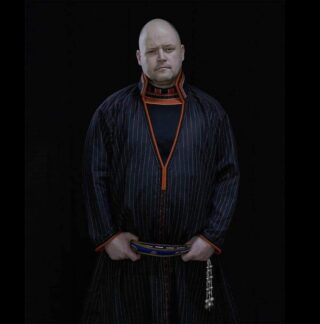
Jerker Bexelius is a South Sámi cultural leader and director of the Gaaltije – Saemien Museume. His work focuses on strengthening Indigenous knowledge systems and ensuring Sámi perspectives are integrated into sustainable societal development. Through cultural institutions, policy dialogue, and cross-border collaboration in Sápmi, he advocates for Indigenous rights, cultural resilience, and community-driven development. Bexelius has extensive experience connecting Indigenous knowledge with contemporary governance, regional development, and cultural policy, highlighting how Indigenous worldviews can contribute to more sustainable and inclusive futures.
Tova-Liza Willenfeldt
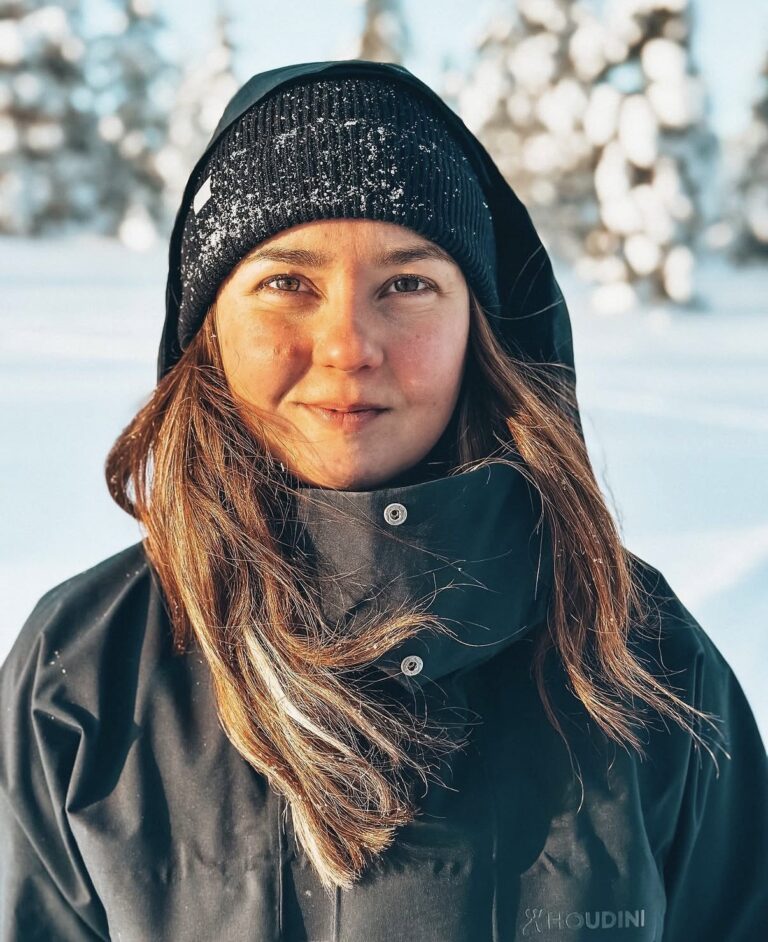
Influencer, reindeer herder and vice president in my Sami village, Ruvhten sijte.
Jenna Gilbride – Nunatsiavut, Canada
Deputy Minister of the Department of Language, Culture and Tourism, Nunatsiavut Government
Jenna Gilbride is a Labrador Inuk born, raised and currently living in the Inuit region of Nunatsiavut. Jenna has a passion for northern economic development and a heart for the environment. Her career has focused on promoting the Arctic, mostly Nunatsiavut as a tourism destination while celebrating and preserving Labrador Inuit culture, arts and heritage; with an emphasis on fostering local economic growth. Jenna is currently the Deputy Minister of the Department of Language, Culture and Tourism with the Nunatsiavut Government.
Ande Somby
13.00–14.00 | Session 3 B | Culture in Total Defense - Strengthening Preparedness in the Arctic, Hosted by: Swedish Ministry of Culture/Swedish Arts Council
Session 3B – Culture in total defense – Strengthening preparedness in the Arctic
Theme: The Art of Geopolitics
16 June 2026, 13.00 – 14.00
Idun, Folkets Hus
Host: Swedish Ministry for Culture, Swedish Arts Council and Nordic Council of Ministers
As Sweden advances its total defence strategy, the role of culture is gaining renewed attention. A recently published report highlights both the resilience and the vulnerabilities of the cultural sector in times of crisis and war—pointing to gaps in governance, coordination, and preparedness. In the Arctic context—shaped by geopolitical tension, climate change, and Indigenous rights—culture is not only a value to protect, but a resource for societal resilience. Yet today, culture largely remains outside formal preparedness structures, with limited integration beyond heritage protection.
This panel brings together policymakers, cultural institutions, and artists to explore how culture can be embedded into civil defence and Arctic policy. How can artistic freedom be safeguarded under pressure? What responsibilities should cultural actors take in preparedness planning? And how can Nordic and international cooperation strengthen cultural resilience across the Arctic?
13.00–14.00 | Session 3 C | Ceding Power as Institutional Strategy, Hosted by: Luleåbiennialen
Session 3C – Ceding Power as Institutional Strategy
Theme: Indigenous Leadership
16 June 2026, 13.00-14.00
Women’s History Museum, Väven
Host Luleåbiennalen
How can institutions, however big or small, create space for independent Indigenous perspectives to lead the narrative? We would like to share the experiences of being in the midst of creating something new, much needed and not uncomplicated in relation to funding, support, and prevailing social climate. In the lead up to Luleå Biennial’s 20th edition, the historic commitment to developing the art scene in the North continues, with a shift in focus toward a contemporary art happening in Sápmi based on Indigenous perspectives, knowledges and experiences. How do artists and collaborators included in these first steps to create change handle the expectations and responsibilities -if any exist?
Speakers
Joi T. Arcand is an artist from Muskeg Lake Cree Nation, Saskatchewan, Treaty 6 Territory, currently residing in Ottawa, Ontario.Her practice includes installation, photography and design and is characterized by a visionary and subversive reclamation and indigenization of public spaces through the use of Cree language and syllabics. She is a member of Wolf Babe Collective, was the co-founder of the Red Shift Gallery, a contemporary Indigenous art gallery in Saskatoon, founder and editor of the Indigenous art magazine, kimiwan (2012-2014) and she has curated various exhibitions including Language of Puncture at Gallery 101 (Ottawa, 2017), nākatēyimisowin an outdoor mural exhibition in Ottawa. Recent solo exhibitions include Central Art Garage (Ottawa, ON); College Art Galleries (Saskatoon, SK); ODD Gallery (Dawson City, Yukon); Mendel Art Gallery (Saskatoon); Wanuskewin Heritage Park (Saskatoon); Dunlop Art Gallery (Regina). Her work has been included in numerous group exhibitions, including Àbadakone at the National Gallery of Canada (Ottawa, ON) and INSURGENCE/RESURGENCE at the Winnipeg Art Gallery
Carola Grahn (b. 1982) is an artist of Southern Sami descent from Jåhkåmåhkke, Saepmie, currently based in Lund, Sweden. In her artistic practice, Grahn works conceptually in a wide variety of media and expressions, playfully and often with traces of dark humour and references to popular culture as well as Sami tradition, challenging stereotypes, power structures and social constructs. Grahn has previously been awarded the Asmund and Lizzie Arles’ Sculptor Award in 2021 and presented the solo exhibition Trädgränsen at Wanås Konst in 2023. In 2025 she presented the solo exhibition Drick Drick at Liljevalchs konsthall in Stockholm.
Photo: Erika Svensson
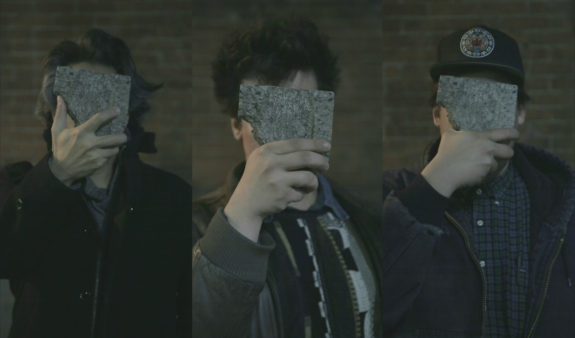
Adam Khalil is a filmmaker and artist based in Brooklyn. He was raised as a member of the Ojibway tribe in Sault Ste. Marie, Michigan. He is a core contributor to New Red Order (NRO), and a co-founder of COUSIN, a collective that supports Indigenous artists expanding the form of film. His work has featured at the Whitney Biennial, Museum of Modern Art, Lincoln Center, and E-Flux, New York; Tate Modern, London; Walker Art Center, Minneapolis; and Toronto Biennial. Grants and awards include an Alpert Award in the Arts, Creative Capital, Sundance Art of Nonfiction Fellowship, Jerome Fellowship, and Gates Millennium Scholarship.
Alexandra Kahsenni:io Nahwegahbow is Anishinaabe and Kanien’kehá:ka, and a member of Whitefish River First Nation with maternal roots in Kahnawà:ke Mohawk Territory. Born and raised in Ottawa, Ontario, Nahwegahbow recently held the position of Associate Curator of Historical Indigenous Art at the National Gallery of Canada from 2018-2024. Nahwegahbow has been active as a curator for many years, with experience from working with historical belongings in museums and galleries internationally. She specializes in visual and material culture from her traditional territories in the Great Lakes region and her doctoral research focuses on material histories of Indigenous childcare and the roles of children and young people in Indigenous communities. Her select curatorial and co-curatorial projects include, Histórias indígenas [Indigenous Histories], an internationally touring exhibition organized by Museu de Arte de São Paulo Assis Chateaubriand, in Brazil, in collaboration with the Kode-Bergen Art Museum, in Norway; Always Vessels at the Carleton University Art Gallery; and Temporal Re-Imaginings at Âjagemô for Canada Council for the Arts. She is a member of Wolf Babe Collective.
Jackson Polys is a multi-disciplinary artist belonging to Tlingit territory, living and working between what are currently called Alaska and New York. He holds an MFA in Visual Arts from Columbia University (2015) and was the recipient of a 2017 Native Arts and Cultures Foundation Mentor Artist Fellowship. He is a core contributor to New Red Order (NRO), a public secret society that, with an interdisciplinary network of Informants, co-produces video, performance, and installation works that confront desires for indigeneity, settler-colonial tendencies and obstacles to Indigenous growth and agency. His individual and collaborative works have appeared at the Alaska State Museum, Anchorage Museum, Artists Space, Burke Museum, eflux, Haus der Kulturen der Welt Berlin, Images Festival, MIT, Museum of Contemporary Art Detroit, Museum of Modern Art, New York Film Festival, Park Avenue Armory, Sundance Film Festival, Union Docs, Toronto Biennial of Art, Walker Arts Center, and the Whitney Museum of American Art, including the Whitney Biennial 2019, among other institutions.
Danielle Printup is a Hodinohso:ni (Onondaga) / Anishinaabe (Algonquin) arts worker and curator from Kitigan Zibi Anishnabeg, QC, with maternal roots in Ohsweken, ON. She has a Bachelor of Honors in Art History from the University of Guelph (2012). She has interned at the National Gallery of Canada and completed the RBC Indigenous Training Program in Museum Practices at the Canadian Museum of History. She has worked at Galerie SAW Gallery, the Indigenous Art Centre and the City of Ottawa’s Public Art Program. She currently works as the Indigenous Cultural Engagement Coordinator at Carleton University Art Gallery. Printup is a member of Wolf Babe Collective.
Lea Simma (b. 1989, Ađevuopmi) is a translator and author, as well as the Artistic Director of Tjállegoahte, the center for authors in Sápmi. With her base in Jåhkåmåhkke, Simma’s work is primarily focused on subjects such as language, translation practices and reconciliation, most often through the medium of essays and poetry. Her previous published works include the essay “Hur orkar svenskar prata svenska hela dagarna?” in the anthology Inifrån Sápmi: vittnesmål från stulet land (edited by Patricia Fjellgren and Malin Nord, 2021); contributions to the anthology Bágos báhkuj (edited by Pär Hansson and Johan Sandberg McGuinne, 2022), as well as “Försoning” in Norrländsk litterär tidsskrift Provins (no. 2, 2022).
Photo: Self portrait
Tanis Worme is an emerging artist from Saskatoon, Saskatchewan – Treaty #6 territory. They are Plains Cree and a member of the Poundmaker Cree Nation with roots to Mistawasis and Kawacatoose First Nations. Tanis attended the University of Saskatchewan where they studied biological sciences which nourishes their sense of curiosity for the natural world. Having been grounded in Cree spirituality, this vein of study impressed further a dichotomy of world views. Their growing body of studio work considers notions of memory through blood and storytelling while questioning the impulse of colonial thought. Tanis is a recent graduate from the Ottawa School of Art’s Fine Art Diploma program, specializing in traditional printmaking methods and painting. The scope of their practice also includes tattooing, drawing, collage, performance, and sculpture. Worme is a member of Wolf Babe Collective.
New Red Order is a public secret society formed in New York, USA, in 2017. New Red Order consists of artists and filmmakers Adam Khalil (b. 1988, Ojibway) based in Copenhagen, Denmark, as well as Zack Khalil (b. 1991, Ojibway) and Jackson Polys (b. 1976, Tlingit) who are both based in New York City, USA. New Red Order works together with others to examine and expand indigenous agency in the face of difficult conditions. Its work takes the form of installations, films, sculptures and performance art as well as curatorial practices. Previous productions by New Red Order includes The Worlds UnFair at Creative Time, New York, USA in 2023; New Red Order Presents: One if by Land, Two if by Sea at Kunsthal Charlottenborg, Copenhagen, Denmark in 2022; and New Red Order Presents: Savage Philosophy of Endless Acknowledgement at the Whitney Museum, New York, USA in 2018.
Photo: New Red Order
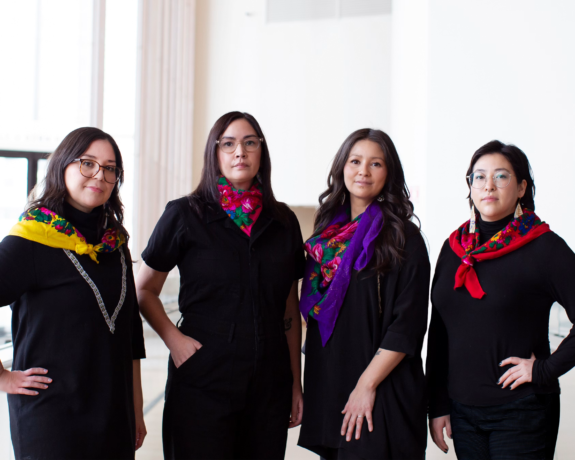
Wolf Babe Collective is a group of artists and curators formed in 2020 in Ottawa, Canada. Wolf Babe Collective, consisting of artists Joi T. Arcand and Tanis Worme as well as curators Alexandra Kahsenni:io Nahwegahbow and Danielle Printup, is a group of First Nations women and non-binary practitioners, active at the confluence of Kichi-Sìbì (Ottawa River) and Pasapkedjinawong (Rideau River), Canada. The members come together across territories and generations to tell stories and conspire for a more just world. Sparked into existence during the global pandemic of COVID-19 and based on the members’ individual expertise in architecture, curatorial practice, public art, design and research, the collective seeks to engage with themes of reciprocity, care and consent through dialogue. Wolf Babe Collective have previously curated the exhibition When is Future? When is Now? at Gallery 101 artist-run centre in Ottawa, Canada in 2024; created the artwork Hearth commissioned by the University of Guelph in 2024; and participated in the exhibition Welcome Back Project curated by Christos Pantieras, Third Way Creative and the City of Ottawa in 2022.
Photo: Tracey Lynne Photography
Patricia Fjellgren is a translator, project leader, and cultural worker with both Northern and Southern Sámi heritage. Born in Stuehkie/Stockholm in 1976, she grew up in Stockholm and now lives in Staare/Östersund. She has long been engaged in the revitalisation of Sámi languages and received the Swedish Language Council’s Minority Language Prize in 2017. Her work includes leading Tema Sápmi at the Göteborg Book Fair 2024, editing the anthology Inifrån Sápmi, and co-initiating the language performance Gïellačïrkuš / Language Circus at Giron Sámi Teáhter. She currently serves as a commissioner on Sweden’s Truth Commission for the Sámi People.
13.00–14.00 | Session 3 D | Regional Governments, Cultural Cooperation and the New Political Normal, Hosted by: Troms County and Region Västerbotten
Session 3D – Regional Governments, cultural cooperation and the new political reality
Theme: Sustainable Futures
17 June 2026, 13.00 – 14.00
Miklagård, Folkets Hus
Host Troms County and Region Västerbotten
As geopolitical realities reshape the Arctic, regional governments are becoming increasingly important actors in sustaining and developing cross-border cultural cooperation. The Barents Cooperation has long offered a rare framework where regional and national stakeholders could meet around shared Arctic concerns. But as political conditions change, new questions emerge: What can regional governments actually do to strengthen Indigenous cultural cooperation? Where are the most urgent gaps in infrastructure, funding and mobility? And what new alliances are needed — within Sápmi, across the Nordic Arctic, and across the Atlantic?
This panel moves beyond general declarations of cooperation and asks what regional governments can deliver in practice. How can they support Indigenous-led cultural networks, residencies, mobility schemes, language initiatives and institutional partnerships? What responsibilities do regions have when national politics stall? And could a new generation of Arctic regional cooperation connect Sápmi, Greenland, Alaska, Canada and the Nordic North in more direct and operational ways?
13.00–14.00 | Session 3 E | Land-Based Art Learning, Hosted by: Umeå University
Session 3E – Art and Sustainable Development
Theme: Sharing and Shaping
Tuesday, 16 June 2026, 13.00-14.00
Studion, Folkets Hus
This panel introduces artists and art educators working with socially engaged and Land-Based practices embedded in communities to find new and rediscover old ways of sustainable transformation. Contemporary educational practice and research call for a transformative shift toward more humble and sustainable ways of living, recognition of planetary limits, and renewed meaningfulness rooted in relationships with the Land and communities. Indigenous Land-Based Education, along with environmental and place-based approaches, offers valuable insights for this shift. These perspectives emphasise knowledge and learning as inseparable from place and community, understood as interconnected and holistic. Engaging with Land-Based Education supports the decolonisation of education and the renewal of relationships between Indigenous peoples, other Northerners, their cultures, and the Land. Such approaches also hold global relevance for artists and for art and design education. This panel explores how we can recognize the Land as a vibrant and generous teacher in new genre Arctic art and art education.
Speakers
Maria Huhmarniemi, University of Lapland
Maria Huhmarniemi, DA, is Vice Dean and Associate Professor at the Faculty of Art and Design, University of Lapland. Her work focuses on art and research that advance cultural sustainability and support sustainability transformations in the Arctic. She develops Arctic art and art education, and has created socially and environmentally engaged art, pioneering arts-based methods to address societal challenges. Huhmarniemi serves as the UArctic Chair in Arctic Art and Design and leads the Arctic Sustainable Arts and Design network.
Panellists
Timo Jokela, University of Lapland
Timo Jokela, Professor Emeritus of Art Education at the University of Lapland in Fin land, a former Chair of Art, Design and Culture and lead of the thematic network on Arctic Sustainable Arts and Design (ASAD) at the University of the Arctic. His theoretical studies, art and art-based development projects focus on the relationship between northern cultures, art and nature. Jokela has been responsible for several international and regional development and research projects in art and art education. Jokela has presented his art in several exhibitions in Finland and abroad.
Mette Gårdvik, Nord University
Mette Gårdvik is a Professor of Arts Education at Nord University, Nesna, Norway. She holds both a bachelor’s and a master’s degree in arts and handicraft education. Gårdvik is a member of the research group Place-based Learning and Education for Sustainable Development and represents Nord in the University of the Arctic’s thematic network Arctic Sustainable Arts and Design (ASAD). She has held both academic and administrative responsibility for international and interdisciplinary courses at the master’s and PhD levels, including Living in the Landscape, and Lessons of the Land: New Genre Arctic Art and Land-Based Learning, developed in close collaboration with institutions such as the University of Lapland in Rovaniemi, Finland. Alongside her research activities, she teaches design, arts and crafts and didactics across all levels of teacher education.
Gunvor Guttorm, Sámi allaskuvla/Sámi University of Applied Sciences
Gunvor Guttorm is a Norwegian Sami art historian, artist and expert on duodji. She is a professor at Sámi Allaskuvla, and is an honorary doctor of the World Indigenous Nations University. For almost 40 years, Guttorm has promoted studies of the Sami and indigenous peoples around duodji through research and teaching. Guttorm’s research is interconnected with cultural expression in the Sámi and indigenous societies, especially duodji. The focus of her research deals with duodji in a contemporary setting, and indigenous people’s context. She has written extensively about how the traditional knowledge of Sámi art and craft is transformed into the modern lifestyle. In an Indigenous world, she has participated as invited speaker at Indigenous research congresses and participated in exhibitions in Sápmi and abroad.
Shannon Leddy, the University of British Columbia
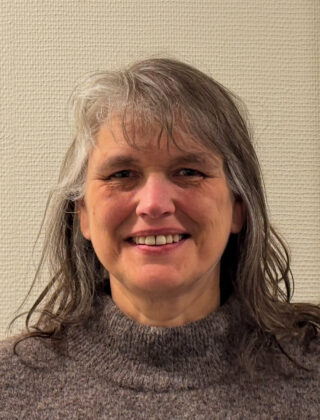
Dr. Shannon Leddy is a member of the Métis Nation of British Columbia and an associate professor of art education at the University of British Columbia, whose practice focuses on using transformative pedagogies in decolonizing and Indigenizing teacher education. Before arriving at UBC, Shannon taught high school Art, Social Studies, and English. She is the Co-Chair of the Institute for Environmental Learning, along with Dr. David Zandvliet, and her book, Teaching where you are: Weaving slow and Indigenous pedagogies, co-written with Dr. Lorrie Miller, is now available from the University of Toronto Press.
Tarsh Bates, Umeå University
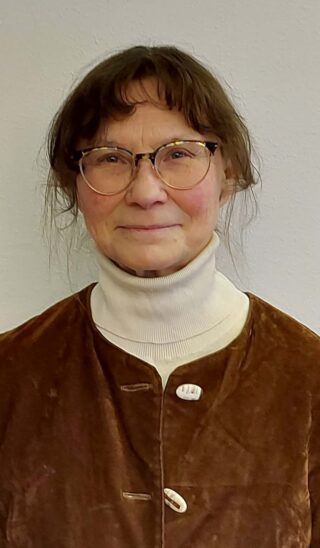
Bates is the UmArts Postdoctoral Research Fellow in Design and Molecular Biology at Umeå Institute of Design and the Department of Molecular Biology. In their postdoctoral research, they have been exploring the roles of odorants generated by microbes through their metabolic processes within ecologies, how these can be understood as interspecies communications and how they are affected by environmental and climate changes.
13.00–14.00 | Session 3 F | Rural Infrastructure and Northern Dance Ecosystems, Hosted by: Aira Dance Company AB and Davvi - Senter for Scenekunst
Session 3F – Rural Infrastructure and Northern Dance Ecosystems
Theme: Sustainable Futures
16 June 2026, 13.00-14.00
Ögonblicksteatern
Host: Aira Dance Company AB and Davvi – Senter for Scenekunst
What does it take for dance to grow, travel and remain rooted in the North? This panel looks at the practical, artistic and political infrastructure needed for sustainable dance ecosystems in rural and Arctic regions. Far from the large institutions and urban centres, artists, producers and communities are building new models for creation, touring, residencies, technical sharing, local engagement and international exchange.
Hosted by Aira Dance Company AB and Davvi – Senter for Scenekunst, the conversation brings together perspectives from the northern performing arts field to discuss what already exists, what is missing, and what needs to be strengthened. How can rural places become centres rather than peripheries? How can infrastructure support artistic freedom, fair working conditions, and long-term relationships? This is a conversation about dance, but also about access, responsibility and the future of cultural life in the North.
More information and tickets for the public can be found here.
13.00–14.00 | Network Session | Art and Culture in the Arctic at the Speed of Light!, Hosted by North Cultitude 6263
Art and Culture Around the Arctic at the Speed of Light! Network Session
16 June 2026, 13.00-14.00
Host: North Cultitude 6263
Mimer, Folkets Hus
Open to All
Exciting lectures and discussions about collaborations and opportunities with art and culture with Low Latency technology!
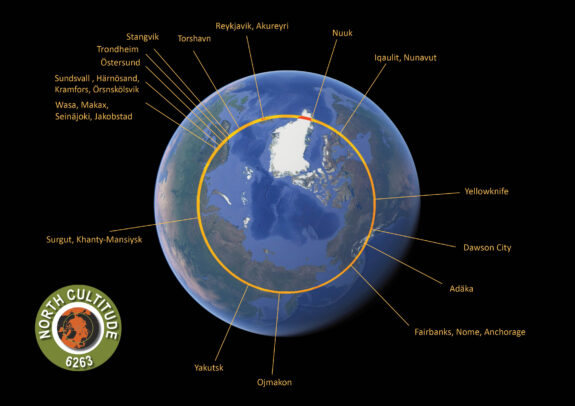
We will talk about the art/culture network North Cultitude 6263 and show examples of teleported art at the speed of light along the 62nd and 63rd latitudes.
The North Cultitude 6263 network aims to increase collaboration between artists, cultural organizations, institutions and the experience economy in an active network along the 62nd and 63rd latitudes with art and culture projects. We want to increase knowledge about our northern countries and regions and create a new “Cultural Geography” around the world along these latitudes, open to international collaboration. The network also explores concepts such as Center-Periphery and focuses on social sustainability. The goal is to link together an active network around the world along the 62nd and 63rd latitudes by 2011.
13.00–15.00 | Network Session | Northern Belongings: Visioning a Circumpolar Indigenous Archival Network, Hosted by: Inuit Art Foundation
Northern Belongings: Visioning a Circumpolar Indigenous Archival Network Session
16 June 2026, 13.00-15.00
Host: Inuit Art Foundation
Embla, Folkets Hus
Open to All
Northern Belongings: Visioning a Circumpolar Indigenous Archival Network
hosted by the Inuit Art Foundation
It’s no secret that the North is collected by the South, a phenomenon that worsens the divide between Northern Indigenous communities and their artistic and cultural materials. And while archives and museums around the world have often decontextualized Indigenous cultural material for a colonial gaze, this project aims to repair that record and support Indigenous cultural sovereignty in the North by creating a sustainable, community-led, digital archive network. Join the Inuit Art Foundation in a discussion of how artwork and belongings can finally, at least digitally, find their way home, drawing attention to the rich connections across circumpolar Indigenous communities bound by parallel histories and common geographies.
Photo Credit: Connected (2023) Copyright Kale Sheppard
13.00–15.00 | Network Session | Meet the Barents Secretariat, Hosted by the Norwegian Barents Secretariat
Meet the Barents Secretariat Network Session
16 June 2026, 13.00-15.00
Host: Barents Secretariat
Gere, Folkets Hus
Public
Meet the Norwegian Barents Secretariat!
Is it possible to get funding for your cooperation project?
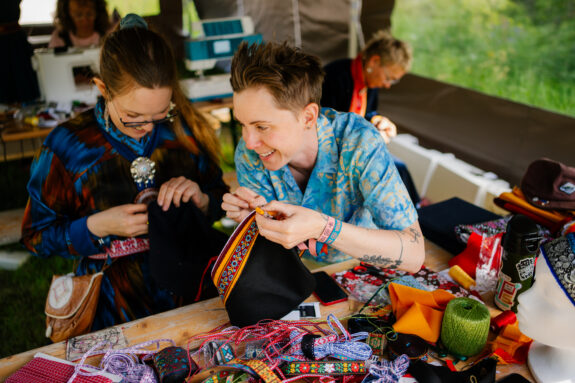
Do you live in the northern parts of Norway, Finland, or Sweden and plan a cooperation project with partners from the Nordic region within fields such as culture, education, business, public health and sports, you may be eligible for financial support from the Norwegian Barents Secretariat.
The Norwegian Barents Secretariat supports international cooperation projects across the northern Nordic region, with the aim of strengthening and creating vibrant and sustainable local communities. To qualify for funding, the applicant must be based in Northern Norway and cooperate with a partner from another Nordic country.
Come meet the Norwegian Barents Secretariat for an informal chat if you want to know more about this!
Promo photo credit: SARA AARØEN LIEN

14.15–15.15 | Session 4 A | Resilient Voices, Hosted by: Arts and Culture Norway
Session 4A – RESILIENT VOICES: Language as a bearer of identity and the revitalisation of endangered minority languages
Theme: Sovereign Stories
Tuesday, 16 June 2026, 14.15-15.15
Studion, Folkets Hus
Host: Arts and Culture Norway
Language is a fundamental marker of identity and a carrier of culture, history, and belonging. In processes of truth-seeking and reconciliation, the languages of Indigenous peoples, and other minoritized and endangered languages, are crucial for understanding past injustices, present realities, and future possibilities.
This panel session explores the connections between language, artistic practices, societal development, and identity. A particular focus is placed on the revitalization of endangered minoritized languages such as the Sámi languages, Kven, and Kalaallisut (Greenlandic).
How can the arts and culture sector, together with language institutions, contribute to making these languages more visible, normalised, and used in new ways across the Nordic region and the Arctic? How can artistic practices support language revitalisation, strengthen cultural continuity and create space for new generations of speakers? And how might language work help bridge divides between communities and foster greater mutual understanding?
The aim of the session is to share experiences, highlight approaches that have contributed to renewed language use, and inspire collaboration across artistic fields and language initiatives throughout the Nordic region and the Arctic.
Speakers
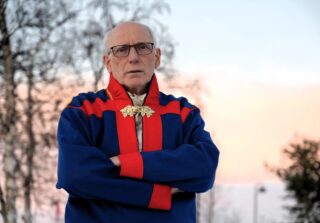
Dr Harald Gaski was born and grew up on the river Deatnu/ Tana in Sápmi, Norway. Gaski is an author, editor, and a retired professor in Sámi literature at Sámi allaskuvla / Sámi University of Applied Sciences and UiT – the Arctic University of Norway. Gaski’s research specializes on Sámi culture and literature, both oral and written, Sámi values and worldview, aesthetics and Indigenous critical studies. He was instrumental in establishing Sámi literature as an academic field from the mid 1980s onward.
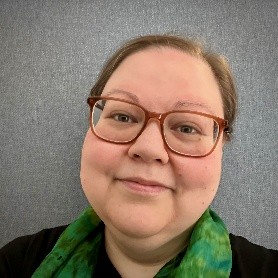
Hanne Kirkegaard is of Kalaaleq Inuk and Danish heritage and works as a curator at the Nuuk Art Museum. She works at the intersection of contemporary art, Indigenous perspectives, and institutional capacity building in Kalaallit Nunaat and across the Arctic. Grounded in place, language, and community, her curatorial practice reflects a strong attentiveness to cross-cultural interpretation. Her work with Kalaallisut plays an important role in translating and expanding artistic vocabularies still in the process of formation.
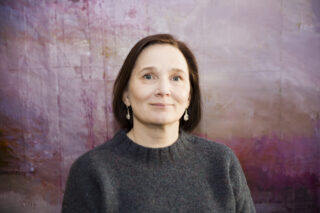
Dr Kaisa Maliniemi is a Finnish-born researcher living in Northern Norway, specializing in minority studies, cultural understanding, cultural heritage, and the Kven literature and culture. She holds a PhD in Literature from the University of Tromsø. She has worked on several projects related to the culture, art, and history in the high north, including being a project manager and researcher for the project “Minoriteter i offentlige arkiver – en undersøkelse minoritets kulturers plass i offentlige arkiver [Minorities in Public Archives – an exploration of minority cultures’ place in public archives]” (2005-2010). She is currently an executive director of the Nord-Troms museum /Davvi-Romsa musea /Pohjais-Tromssan museumi.
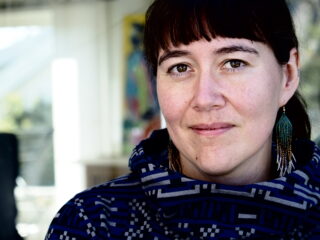
Dr Kirstine Møller Gray is a Kalaaleq Inuk heritage professional and researcher working at the intersection of research, policy, and community-led initiatives across the Arctic. She is currently a senior advisor at Arts & Culture Norway, in the section for cultural heritage and museums. Holding a PhD in Historical Archaeology, she has worked extensively on Arctic cultural heritage, Indigenous sovereignty, and decolonisations practices. Across her research and professional practice, she is committed to ethical, community-driven approaches that foreground Indigenous perspectives and knowledge systems.
Sigbjørn Skåden is a Sámi author and poet from northern Norway, based in Tromsø. He writes in both Sámi and Norwegian and has published novels, poetry, and works for younger readers since his debut in 2004. His writing explores Sámi identity, culture, and history, and he is widely recognized as an important contemporary Nordic voice. In 2026, he is nominated for the Nordic Council Literature Prize for Planterhaug / Láŋtdievvá, by both the Norwegian and Sámi jury. Skåden is a member of Arts Council Norway.
14.15–15.15 | Session 4 B | Co-Existence by Design: Building Cultural Collaborations Across Borders, Hosted by: Nordic Culture Fund
Session 4B – Co-Existence by Design: Building Inclusive Cultural Collaboration
Theme: Sharing and Shaping
Tuesday, 16 June 2026, 14.15-15.15
Idun, Folkets Hus
Host: Nordic Culture Fund
The Arctic region is already a meeting place of many cultural worlds. Yet, collaboration across the region is often shaped by fragmented infrastructures and by funding and policy systems that don’t always fit the realities of working across languages, geographies, and cultural contexts. This session proposes a focused conversation on how to develop shared approaches and strategies that advance coexistence across the Northern cultural landscape, from Indigenous traditions in the Circumpolar North to new artistic practices brought forward by new voices and communities. It takes its starting point in the Nordic Culture Fund’s strategy for 2026-2030, which places arts and culture as important drivers in shaping the future of Northern societies. Together, we will explore how this ambition translates into practice: through collaboration models, funding structures, and wider policy frameworks that can enable inclusive and sustainable cultural leaders and practitioners from different parts of the Indigenous North, funding bodies, and perspectives connected to broader policy frameworks shaping Arctic cultural cooperation.
Speakers
Nivi Christensen is an Inuk from Kalaallit Nunaat (Greenland) and has served as Museum Director at Nuuk Art Museum since 2015. She holds a Master’s degree in Art History. She specialized in art from and about Kalaallit Nunaat, and is a regular writer and commentator on art from Kalaallit Nunaat both locally and internationally. Christensen sits on a number of boards, including the Greenlandic Museum Board, and serves as Chair of the Board of the National Theater in Kalaallit Nunaat. She has curated numerous exhibitions and acts as an advisor on major art projects in Kalaallit Nunaat and beyond. Through her work, Christensen is committed to creating stronger frameworks for Greenlandic art and to deepening connections between indigenous peoples engaged in cultural work across the Arctic.
Kristin Danielsen joined the Nordic Culture Fund as CEO in August 2025. Before that she was CEO of Arts and Culture Norway from 2016 to 2025 and also Chairperson of IFACCA. Kristin is originally a trained dancer. She holds a Master’s degree in Arts Management with a specialization in international cultural cooperation. She has led a wide range of arts and cultural organizations within dance, theater, literature and music.
Steven Loft is Kanien’kehá: ka (also known as Mohawk), turtle clan of the Six Nations of the Grand River, also with Jewish heritage. In 2021, he was appointed the inaugural Vice President for the Indigenous Ways and Decolonization Department at the National Gallery of Canada, the first Indigenous senior executive in the gallery’s history. Before this, he was the Director of Strategic Initiatives for Indigenous Arts and Culture and previously, Director of the Creating, Knowing and Sharing: The Arts and Cultures of First Nations, Inuit and Métis Peoples program with the Canada Council for the Arts. A noted curator, scholar, writer, and media artist, in 2010 he was named Trudeau National Visiting Fellow at (now) Toronto Metropolitan University in Toronto (2010-2013). Loft has also held positions as Curator-In-Residence, Indigenous Art at the National Gallery of Canada, Director/Curator of the Urban Shaman Gallery (Winnipeg); Aboriginal Curator at the Art Gallery of Hamilton, Producer and Artistic Director of the Native Indian/Inuit Photographers’ Association (Hamilton) and Executive Director of the ImagineNative Film and Media Arts Festival. He has curated group and solo exhibitions across Canada and internationally; written extensively for magazines, catalogues and arts publications. A sought-after speaker, Loft has lectured widely in Canada and abroad on issues of Indigenous art, culture and decolonization. Loft co-edited the books Transference, Tradition, Technology: Native New Media Exploring Visual and Digital Culture (2005) and Coded Territories: Tracing Indigenous Pathways in New Media Art (2014).
Dine Arnannguaq Fenger Lynge is an Inuk from Kalaallit Nunaat (Greenland) working with Sámi cultural leadership and arts management in Guovdageaidnu, Sápmi (Kautokeino, Norway). She is the CEO of the artist collective Dáiddadállu, where she has helped develop the organization – an important platform for Sámi artists – since 2018. Her work focuses on strengthening Sámi cultural sovereignty, supporting indigenous artistic collaboration, and promoting decolonial perspectives in the arts. Lynge has also contributed to international initiatives, including building networks and export structures that increase the global visibility and opportunities for Sámi art and artists.
Sonya Kelliher-Combs (Iñupiaq/Koyukon) is a mixed-media visual artist whose family hails from the North Slope and Interior of Alaska. Her work focuses on the changing North and our relationship to nature and each other. Through visual art, community engagement, curation and advocacy, Kelliher-Combs works to create opportunities to feature Indigenous voices and contemporary artwork that inform and encourage social action. Traditional women’s work taught her to appreciate the intimacy of intergenerational knowledge and material historied. These experiences and skills allow Kelliher-Combs to examine connections between Western and Indigenous cultures. She lives and works in Anchorage, Alaska. Kelliher-Combs received a BFA from University of Alaska, Fairbanks, and an MFA from Arizona State University. She is a recipient of the Anchorage Cultural Council’s Mayor’s Awards for the Arts, the State of Alaska Governor’s Award for the Arts, Rasmuson Foundation Fellowship, and the Joan Mitchell Foundation’s Painters and Sculptors Grant. Her work can be found in numerous private and public collections, including the Alaska State Museum, Eiteljorg Museum, British Royal Museum, Institute of American Indian Art Museum of Contemporary Native Art, and the Whitney Museum of American Art.
14.15–15.15 | Session 4 C | Voices From The Other Side, Hosted by: Pikene på Broen
Session 4C – Voices From the Other Side
Theme: The Art of Geopolitics
Tuesday, 16 June 2026, 14.15-15.15
Tonsalen, Folkets Hus
Russian territory constitutes half of the Arctic, and its population represents half of the people living in the region. Since Russia’s full-scale invasion of Ukraine, large groups of Arctic (including Indigenous) peoples have become nearly invisible in Arctic cooperation. What dialogue can we maintain in a time of war, distrust, and boycotts, without contributing to the normalization of Russia’s war? And how do we proceed to utilize the potential for diplomacy and preparedness in keeping Arctic dialogue functioning across borders of conflict? This session explores the urgent need to include voices from the Russian Arctic, both those currently living in exile and those still within Russia, and examines possible forms of inclusion.
Speakers:
Evgeny Goman is a theater director, curator and producer with the creative collective Pikene på Broen in Kirkenes, Norway. Before 2022, he worked in his hometown of Murmansk, Russia, as a theater maker, cultural entrepreneur, and regional Minister of Culture. Active in international cultural cooperation since 1995, his work focused on cross-border artistic collaboration and contemporary cultural dialogue in the North.
Maria Lind is a curator, writer and educator from Stockholm. She is currently the director Kin Museum of Contemporary Art, Kiruna. From 2020 to 2023 she was serving as the counsellor of culture at the embassy of Sweden, Moscow. She has been the director of Stockholm’s Tensta konsthall, the graduate program, Center for Curatorial Studies, Bard College in New York, Iaspis in Stockholm, and Kunstverein München. She was the artistic director of the 11th Gwangju Biennale, and in 1998, co-curator of Europe’s itinerant biennial, Manifesta 2 in Luxembourg. She is the 2009 recipient of the Walter Hopps Award for Curatorial Achievement.
Neseine is a researcher and an Indigenous person engaged in an interdependent relationship with the world. She practices decolonial queerdom and produces texts as well as other artistic works. Born from the spirit of the time, she creates art of various complexity and searches for meaning.
Valentina Sovkina was born in Lovozero, Murmansk Region, Russia. She worked nearly 30 years in the Lovozero District education system and led the Kola Sámi Radio Company for 14 years, promoting Sámi media, language, and culture. She has long been engaged in public and political activities related to the protection of Indigenous Peoples’ rights. She has long advocated for Indigenous Peoples’ rights through public and political work, focusing on Sámi language preservation, traditional livelihoods, and the rights of women and children. She is currently serving her second term as a member of the United Nations Permanent Forum on Indigenous Issues representing the region of the Russian Federation, Eastern Europe, Central Asia, and Transcaucasia.
14.15–15.15 | Session 4 D | Museums and Communities: Practical Strategies for Collections Engagement, Hosted by: Smithsonian Arctic Studies Center
Session 4D – Museums and Communities: Practical Strategies for Collections Engagement
Theme: Small places, strong communities
Tuesday, 16 June 2026, 14.15-15.15
Miklagård, Folkets Hus
Host: Smithsonian Arctic Studies Center
How can museums take tangible steps to increase community access to collections and cultural heritage, especially for Indigenous communities in the Arctic? This panel explores practical strategies for strengthening Indigenous access, authority, and connection to heritage held in museums and archives. Panelists will discuss approaches such as deaccessioning, long-term and community-directed loans, and other mechanisms that support the return of cultural belongings to communities. The conversation will also examine how collections documentation can better reflect Indigenous knowledge systems. Grounded in examples from across the Circumpolar North, this session will consider what transparency, accountability, and equitable relationships look like in practice. By focusing on concrete actions rather than aspirations, the panel aims to highlight tools that museums can implement now to improve access, support community stewardship, and foster more respectful and reciprocal relationships with Indigenous peoples.
Speakers
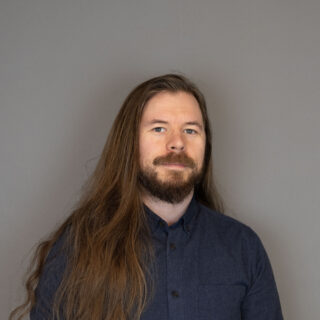
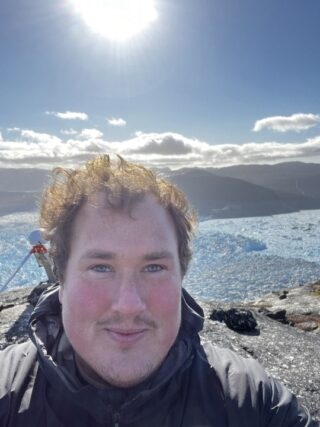
Dawn Biddison works in equitable collaboration with Alaska Native Elders, Knowledge-Holders, artists, educators, learners, and cultural organization staff on Indigenous heritage projects. Her work began with community-based museum research, exhibition, and website work, and continues through museum outreach, collections access, research, fieldwork, artist residencies, workshops, public programs, and shared interdisciplinary documentation and resources that respect Indigenous protocols and goals, support intergenerational learning and teaching, and facilitate accessibility. Dawn has worked at the Smithsonian Arctic Studies Center in Alaska since 2003.
Michael Nielsen is Curator of Collections and Archaeology at the Greenland National Museum and Archives. With nearly 20 years of experience in museum collections, cultural heritage, archaeology, and public engagement, he works to strengthen connections between museum collections and the communities they represent. His work includes digitization initiatives, collaborative heritage projects, public outreach, and partnerships with local museums throughout Greenland. Michael serves on the board of NUKAKA, the Association of Greenlandic Museums, and is a member of the UNESCO Kujataa Steering Committee. His professional interests focus on community-centred museum practice, digital heritage, collections accessibility, and the evolving role of museums in Arctic societies.
Per Asle Sara is the head of the Sámi Dáiddamagasiidna – RiddoDuottarMuseat department. He has a strong professional interest in how art can function as an expression of identity, belonging and resistance, especially within visual art in a Sámi context. He is particularly interested in how visual expressions can contribute to increased awareness of social and political issues, with a special focus on Sámi, political contemporary art. Per holds a master’s degree in art history from UiT The Arctic University of Norway. Through work in museums, exhibitions and various projects, he has years of experience as an advisor, panelist, mediator, writer of art communication texts, editor, spokesperson, co-curator and exhibition organizer. Among other projects, he has worked as co-curator for the exhibition Visualizing Arctic Voices at the Center for Northern Peoples, translated the associated exhibition catalog into Northern Sámi, and served as advisor and text contributor for The Land Has a Mind to Speak and Sámi Horizons at MARKK in Hamburg. Recently, he has organized the Sami Parliament’s purchasing exhibition Áigegovat in collaboration with the Sami Parliament’s purchasing committee and Sámi Dáiddaguovddáš. Per Asle grew up in Kárášjohka and comes from a Sámi reindeer herding family. He also has an art education from the Karasjok Art School, where he was among the first cohort of students. In addition to his role as department head, he also works as an illustrative artist.
Melissa Nenantaxnen Shaginoff is an Ahtna and Paiute person, a tribal citizen of Chickaloon Village Traditional Council and the Pyramid Lake Paiute Tribe, and a member of the Udzisyu (Caribou) clan. She is an interdisciplinary artist, language warrior, poet, and museum professional who currently serves as the Alaska Specialist for the Smithsonian’s National Museum of the American Indian.
Her artistic practice explores conversation as medium and land-based materiality as a guiding and relational reflection. In her museum work, Melissa focuses on expanding community accessibility and reimagining the future of cultural belongings within institutional collections.
Melissa studied at the University of Alaska Anchorage and the Institute of American Indian Arts. She is a recipient of the Rasmuson Foundation Individual Artist Award and the inaugural Governor’s Humanities Rising Award. She lives and works on Dena’ina lands in Dghayitnu (Anchorage, Alaska).

14.15–15.15 | Session 4 E | Collaborations and Trust - Authorities, Museums and Sámi Organizations Working Together, Hosted by: Swedish Heritage Board’s Government Assignments on Return Processes
Session 4 E – Collaborations and Trust – Authorities, Museums and Sámi Organizations Experiences of Return Processes
Theme: Sustainable Futures
16 June 2026, 14.15-15.15
Women’s History Museum, Väven
Host: Swedish National Heritage Board
The return processes in Sweden concerning Sámi human remains and belongings have been going on since around year 2000. In this session we will start with a presentation from a museum about receiving belongings from other institutions, followed by a panel talk about experiences from cooperation between authorities, museums and Sámi organizations, concerning return processes.
The Swedish National Heritage Board has been working with return in several government assignments in cooperation with authorities, museums and Sámi organizations since 2018. Over the years the lack of knowledge and mistrust has slowly grown into respect and understanding of our different missions and mandates and a common perception that we are working with return processes in collaboration, for the same goal. The panel talks about possibilities, obstacles, benefits and disadvantages in the collaboration process from different perspectives over the years. The panelists are representing Lycksele Sámi Association, Sweden, The Swedish Sámi Parliament and Ájtte museum in Jokkmokk, Sweden.
Speakers
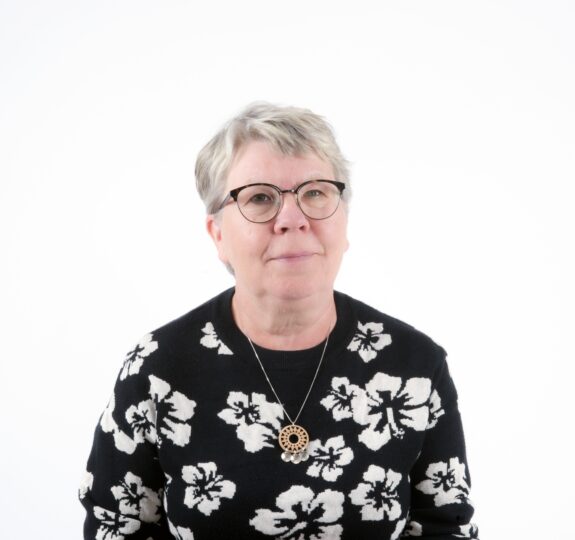
Adriana Aurelius is a Repatriation Officer at the Sámi Parliament in Sweden and has a background in museums and repatriation issues.
Kicki Eldh is Adviser at the Swedish National Heritage Board, with exams in Conservation and Architecture and an education as moderator. Kicki has long experience of working with return and human remains responsible for projects as exhibitions, return processes and government assignments at museums and at the Heritage Board. She also gives lectures at conferences and for students.
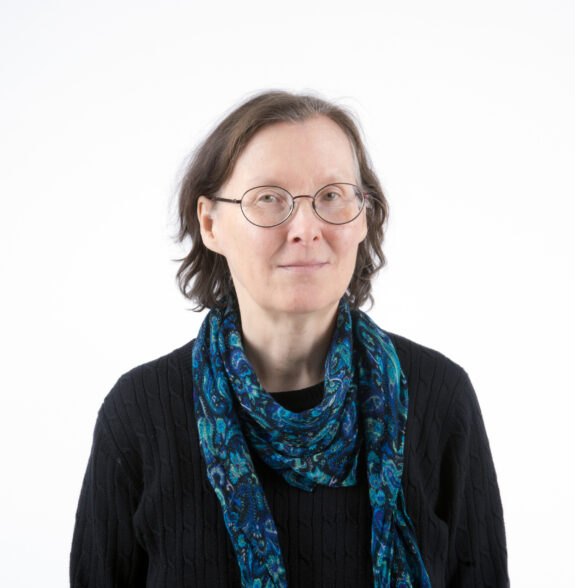
Sunna Kuoljok is an ethnologist and curator at the Swedish Mountain and Sámi Museum Ájtte in Jokkmokk, Sweden. She has a long career as a Sámi museum professional, including repatriation issues in Sweden. Her work at Ájtte is mainly focused on managing the collection of objects and making them accessible to visitors, especially within the Sámi community. This has given her a deep awareness and understanding of the importance of Sámi museums for Sámi individuals as well as for the Sámi community as a whole.
Elisabeth Pirak Kuoljok, Museum director (since November 2020) at the Swedish Mountain and Sámi Museum Ájtte in Jokkmokk, SwedenElisabeth Pirak Kuoljok, Museum director (since November 2020) at the Swedish Mountain and Sámi Museum Ájtte in Jokkmokk, Sweden.
More information to come.

15.30–16.30 | Session 5 A | Arctic Art Histories and National Galleries: Colonial Legacies and Geopolitical Futures, Hosted by: Arctic Arts Summit
Session 5A – Arctic Art Histories and National Galleries: Colonial Legacies and Geopolitical Futures
Theme: Indigenous Leadership
Tuesday, 16 June 2026, 15.30 – 16.30
Miklagård, Folkets Hus
Host: Arctic Arts Summit
This roundtable brings together representatives of art museums with national mandates across the Arctic to examine how these institutions shape narratives of nationhood in a region marked by intertwined colonial histories and accelerating geopolitical change. As the Arctic gains strategic global attention, museums are increasingly drawn into negotiations over identity, historical presence, autonomy, and territorial belonging. The panel explores how art institutions balance their traditional nation‑building roles with contemporary demands for decolonial accountability and transnational collaboration. By tracing connections between artistic production, Nordic colonial legacies, and shifting geopolitical conditions, the discussion asks how museums understand their responsibility in sustaining—or challenging—dominant narratives of the Arctic and its diverse populations. What tensions arise when obligations to national representation intersect with Indigenous sovereignty, environmental urgency, and geopolitical interests? The session highlights these generative frictions, considering how art institutions might cultivate more nuanced, responsible, and future‑oriented cultural imaginaries for the Arctic.
Speakers
Dawn Biddison works in equitable collaboration with Alaska Native Elders, Knowledge-Holders, artists, educators, learners, and cultural organization staff on Indigenous heritage projects. Her work began with community-based museum research, exhibition, and website work, and continues through museum outreach, collections access, research, fieldwork, artist residencies, workshops, public programs, and shared interdisciplinary documentation and resources that respect Indigenous protocols and goals, support intergenerational learning and teaching, and facilitate accessibility. Dawn has worked at the Smithsonian Arctic Studies Center in Alaska since 2003.
Sanne Houby-Nielsen has served as Director of the Foundation Nordiska museet since February 2015. She is an Associate Professor at Lund University in Sweden and holds a PhD in Classical Archaeology from the University of Copenhagen in Denmark. Houby-Nielsen has previously served as Director General and Head of The National Museums of World Culture in Stockholm (2010-2015), as Museum Director of The Museum of Mediterranean and Near Eastern Antiquities and The Museum of Far Eastern Antiquities in Stockholm (2000-2010), and as Head of The Royal Cast Collection at The National Gallery of Denmark in Copenhagen.
Steven Loft is Kanien’kehá: ka (also known as Mohawk), turtle clan of the Six Nations of the Grand River, also with Jewish heritage. In 2021, he was appointed the inaugural Vice President for the Indigenous Ways and Decolonization Department at the National Gallery of Canada, the first Indigenous senior executive in the gallery’s history. Before this, he was the Director of Strategic Initiatives for Indigenous Arts and Culture and previously, Director of the Creating, Knowing and Sharing: The Arts and Cultures of First Nations, Inuit and Métis Peoples program with the Canada Council for the Arts. A noted curator, scholar, writer, and media artist, in 2010 he was named Trudeau National Visiting Fellow at (now) Toronto Metropolitan University in Toronto (2010-2013). Loft has also held positions as Curator-In-Residence, Indigenous Art at the National Gallery of Canada, Director/Curator of the Urban Shaman Gallery (Winnipeg); Aboriginal Curator at the Art Gallery of Hamilton, Producer and Artistic Director of the Native Indian/Inuit Photographers’ Association (Hamilton) and Executive Director of the ImagineNative Film and Media Arts Festival. He has curated group and solo exhibitions across Canada and internationally; written extensively for magazines, catalogues and arts publications. A sought-after speaker, Loft has lectured widely in Canada and abroad on issues of Indigenous art, culture and decolonization. Loft co-edited the books Transference, Tradition, Technology: Native New Media Exploring Visual and Digital Culture (2005) and Coded Territories: Tracing Indigenous Pathways in New Media Art (2014).
Birgitte Anderberg is a Senior Researcher and Curator at SMK- the National Gallery of Denmark with special attention to contemporary art and art on paper. She has curated a large number of exhibitions – including What’s Happening? Avantgarde and Feminism in Danish art 1965-1975 (2015) and After the Silence. Women of Art Speak Out (2021), as well as Jessie Kleemann: Running Time (2023).
Talette Simonsen is Head of Architecture, Design and Decorative Arts at the National Museum in Oslo, Norway. Until recently, she was Head of Research at the same museum, and has previously worked as a curator of architecture. She holds a PhD in art history, and has been teaching at the University of Oslo.
Nivi Christensen is Director of Nuuk Art Museum in Kalaallit Nunaat/Greenland. She holds an MA in Art History from University in Copenhagen, where she specialized in art from and about Greenland. Christensen is a member of the Greenlandic Museum Board, the board of the Association of Greenlandic Museums NUKAKA, and she is the curator of numerous exhibitions, an advisor on major art projects both in and outside Greenland. In 2025 she was the Guest Editor for the Inuit Art Quarterly’s special issue on Sovereignty.
Mathias Danbolt is Professor of Art History at University of Copenhagen, Denmark. Over the last decade his research has focused on the contact zones between art history and colonial history in a Nordic context with an emphasis on memory politics, monuments, and art in public space. His latest publication is Tropaganda: Kunst, kolonialisme og kampe om historien (2025).
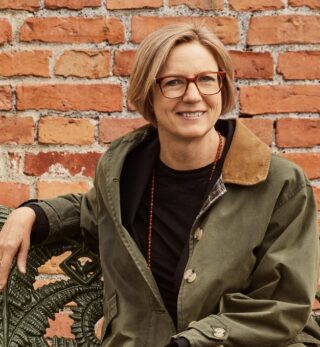
15.30–16.30 | Session 5 B | Deposing Geoengineering, Hosted by: Umeå University
Session 5B – Deposing Geoengineering
Theme: Sustainable Futures
Tuesday, 16 June 2026, 15.30-16.30
Women’s History Museum, Väven
Host: Umeå University
The voices in this panel will discuss how their respective works directly or indirectly challenge how globalised technologies are increasing colonial and climate injustice. The panel will consider the following questions: How will geo engineering interventions affect Land-based cultures, patterns, and relations? Which regions and hemispheres will be worst impacted by these unknown effects? Who has succeeded in resisting the use of these technologies, and who will regulate and control their development? Through brief positions and conversations, the panellists will contrast Land-based art, learning, and resistance with the strange technological history of climate control, seeking to shape the geo-aesthetics that question and resist the impacts of this highly problematic type of techno-scientific climate mitigation.
Speakers
Luis Berríos-Negrón is a Puerto Rican environmental artist who researches forms and forces of hemispheric climate injustice and Land-based learning. Since 2024, he is Associate Professor at Umeå University, Sweden. Beyond his practice and exhibitions based in Berlin (2006–2017) and doctoral work at Konstfack KTH in Stockholm (2015–2020), his current work stems from post-hurricane reforestation research in Puerto Rico at Para La Naturaleza’s Art & Science Research Residency (PR, 2021–2022), as Postdoctoral Fellow in Art and Architecture at UmArts in partnership with Bildmuseet (SE, 2023–2024), and in Hosting Lands, a slow-growing exhibition movement unfolding Land-based artwork across Denmark (since 2024).
Mats Bigert is one half of the Swedish artist duo Bigert & Bergström. Based in Stockholm, they met at the Royal Institute of Art in Stockholm in 1986, and since then have created artworks ranging from large-scale sculptures and installations to performances and films. A central aspect of their practice focuses on humanity’s attempts to control the weather and the climate. Often inspired by scientific experiments with speculative elements, B&B have produced their own versions, generating performance installations such as Biosphere III (1990) and Climate Chambers (1994–98). Since 2007, they have investigated geo-engineering — with a particular focus on cooling interventions — in both their documentary film The Weather War (2012) and geo-engineering art performances such as Rescue Blanket for Kebnekaise (2016). Their celebrated sculptural sauna, the Solar Egg (2017), is now on permanent display in Kiruna, and in May 2026 they will open the climate-action park Wasteland Skellefteå on a formerly contaminated industrial site next to the Skellefteå River.
Pernilla Fagerlönn is an Artist and musician, and works as a vocal coach, composer, and community choir director. In all of her artistry, she emphasises the importance of community, humanity, empathy, and common experiences. In 2023, she wrote and performed a musical story, Allt vi är gjorda av, together with the community of Malmberget-Gällivare, and in 2019, she curated and organised the FARVÄL FOCUS festival in Malmberget, both the festival and the musical as a way to process the evacuation and dismantling of Malmberget.
Keith Larson, PhD, is an internationally recognised leader in Arctic research, education, and policy. He is the Director of the Arctic Centre at Umeå University. His work at the Arctic Centre drives interdisciplinary collaborations that address societal, environmental, and geopolitical challenges in the Arctic. His research integrates Indigenous knowledge and Western science to understand the impacts of climate change, including Arctic greening, biodiversity shifts, and their effects on Arctic communities. He leads public engagement efforts, including citizen science programs and high-profile media projects. Under his guidance, the Arctic Centre thrives as a hub for inter- and transdisciplinary research, advancing sustainability and evidence-based policymaking in the Polar regions.
Tania Larsson is a contemporary Gwich’in and Swedish fine jewelry artist based in Yellowknife, Canada. She creates land-based adornments using ethically sourced, traditional materials combined with precious metals. She earned a bachelor’s degree in the Fine Arts at the Institute of American Indian Arts, with a focus in jewelry and digital art. She is also a founding member of the Indigenous innovation collective Dene Nahjo an Indigenous innovation collective in Denendeh (Northwest Territories) working to advance social and environmental justice for northern peoples and promote Indigenous leadership. Larsson’s work blends contemporary design with deep ancestral knowledge, aiming to empower Indigenous people and reclaim cultural practices that were historically suppressed.
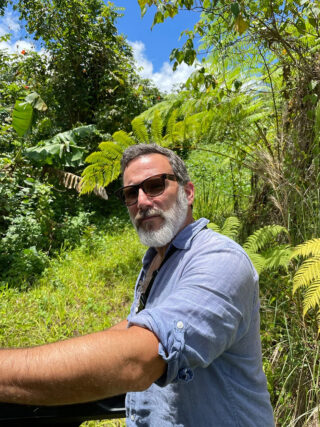
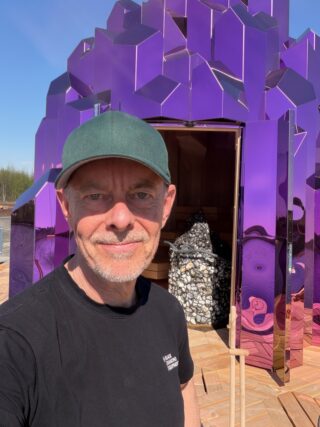
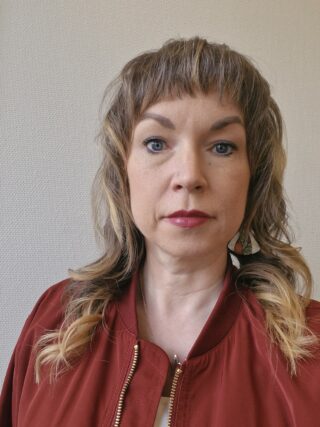
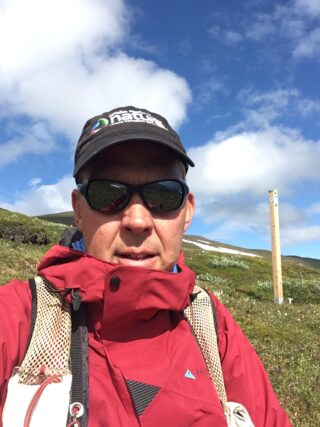
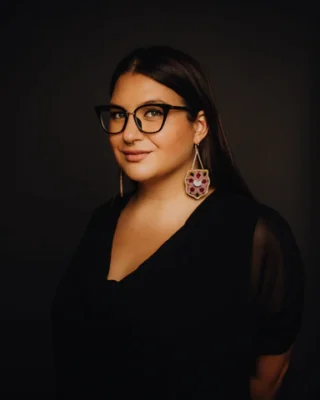
15.30–16.30 | Session 5 C | Nordic-Canadian Arctic Cultural Collaboration - what's next?, Hosted by: Nordic Council of Ministers
5C – Nordic-Canadian Collaboration in the Arctic: What’s next?
Theme: The Art of Geopolitics
Tuesday, 16 June 2026, 15.30-16.30
Idun, Folkets Hus
Host: Nordic Council of Ministers
This panel aims to gather Nordic and Canadian perspectives om collaboration in the Arctic. The panel gathers funding institutions and policy makers, aiming to address the main question: what’s next?
The Nordic and Canadian collaboration in the Arctic has seen increased attention during the last years, ranging from the celebration of 30 years of the Nordic Arctic program to bilateral and multilateral collaborations. Which steps should be taken in this collaborative landscape? Why is cooperation between the Nordic and Canadian cultural fields important? How do we ensure cooperation is adapted to the conditions of the Arctic culture field, including those of Indigenous Peoples and local communities?
Speakers
Susanne Andreasen, Director of the Nordic Institute of Greenland
Stefan Hansen, Sweden’s Cultural Counselor to the US, Ministry of Culture
Arnakkuluk Jo Kleist
Elizabeth Logue, Director, Creating, Knowing and Sharing, Canada Council for the Arts
Lindsay McIntyre, Executive Director, Inuit Art Foundation
Bongi MacDermott, Director of International Cooperation, Swedish Arts Council
Paul Pelletier, Assistant Deputy Minister of Community and Identity
15.30–16.30 | Session 5 D | Indigenous Craft Perspectives in the Arctic Region - Following Up on Duodji Reader (2022) with a Pan-Arctic Perspective, Hosted by: Norwegian Crafts
Session 5D – Indigenous Craft Perspectives in the Arctic Region – Following Up Duodji Reader (2022) with a Pan-Arctic Perspective
Theme: Sovereign Stories
16 June 2026, 15.30-16.30
Studion
Host: Norwegian Crafts
Does the Sámi term duodji work as a common denominator for Indigenous craft practices in the circumpolar north? Or do we prefer to explain our arts and craft practices through the colonial languages of the majority peoples? Is it a colonial idea on behalf of the Sámi to suggest a North Sámi term as a common name for the innovative Indigenous crafts which are based on connection to Land and traditional ways of life? Is there a need for an anthology discussing these issues, and how do we want to shape that publication? Come share your ideas with the panel!
The session Indigenous Craft Practices in the Arctic Region: Following Up ‘Duodji Reader’ (2022) with a Pan-Arctic Perspective will explore Indigenous craft practices, aesthetics and methodologies across the Arctic. It aims to identify key perspectives and resources for developing a new anthology on contemporary Indigenous craft and aesthetics. The session is led by Profs. Gunvor Guttorm and Harald Gaski and builds on their anthology Duodji Reader (2022)—a collection of twelve essays on duodji by Sámi writers. The panel is organised by Norwegian Crafts, co-producer of the anthology with Sámi Allaskuvla. The panelists will discuss: what is the current impact of Indigenous craft practices in the Arctic? And, how can we edit a reader to showcase the profound impact these practices have on the development of the crafts field, the wider visual arts field, our communities, and the environment?
Speakers
Petter Iŋggá Gunvor, Gunvor Guttorm, is Professor in duodji (Sámi arts and crafts, traditional art, applied art) at Sámi allaskuvla/Sámi University of Applied Sciences, Guovdageaidnu/Kautokeino in Norway, and practising duojár. She has been active in producing academic texts and pedagogical materials about duddjon and duodji, mostly in Sámi language. She has also contributed with texts to other duojárat and artists in different exhibit catalogues and other books concerning arts and crafts. Together with Professor Harald Gaski, she edited the groundbreaking Duodji Reader (2022). In 2022, Guttorm curated the exhibition Arctic Highways together with Dan Jåma, Tomas Colbengtson, and Britta Marakatt Labba. This travelling exhibit has been touring the USA. From June 2026 it will be on permanent show at Granö, Sweden.
Harald Gaski is from Deatnu/ Tana in Sápmi, Norway. Gaski is an author, editor, and a retired professor in Sámi literature at Sámi allaskuvla / Sámi University of Applied Sciences and UiT – the Arctic University of Norway. Gaski’s research specializes on Sámi culture and literature, both oral and written, Sámi values and worldview, aesthetics and Indigenous critical studies. He was instrumental in establishing Sámi literature as an academic field from the mid 1980s onward. Gaski has translated Sámi literature and Nils-Aslak Valkeapää’s poetry into Norwegian and English. His most recent book is the trilingual Vuoiŋŋalašvuohta – Samisk åndelighet – An Essay on the Sámi People’s Spiritual Connection to Land from 2025. Worth mentioning is also his anthology of Sámi literature, published in 2020, titled Myths, Tales and Poetry from Four Centuries of Sámi Literature, and the anthology Duodji Reader (2022), co-edited with Prof. Gunvor Guttorm.
More information to come.
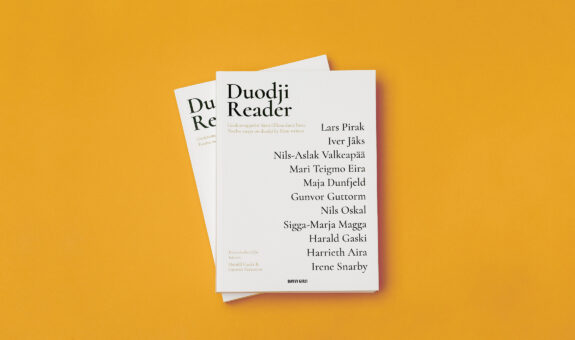
15.30–16.30 | Session 5 E | Building Foundations: Indigenous Infrastructure as a Pillar of Democracy and Self-Determination, Hosted by: Sámi Parliament Sweden
Session 5E – Building Foundations: Indigenous Infrastructure as a Pillar of Democracy and Self-Determination
Theme: Indigenous Leadership
16 June 2026, 15.30 – 16.30
Tonsalen, Folkets Hus
Host: Sámi Parliament Sweden
Across the Arctic and beyond, Indigenous peoples are advancing new models of governance, cultural expression, and community development. Central to this movement is the question of infrastructure: not only as physical buildings and institutions, but as a material expression of self-determination, visibility, and political agency.
This panel, led by Sámiediggie (Sámi Parliament Sweden), explores how infrastructure developed on Indigenous terms functions as a cornerstone for democratic development and the strengthening of Indigenous rights. What does it mean to build institutions that reflect Indigenous values, knowledge systems, and governance structures? Why does physical presence—parliament buildings, cultural institutions, and community spaces—matter in the ongoing work of nation-building The discussion is grounded in the Swedish context, where, unlike its counterparts in Norway and Finland, the Sámiediggie does not yet have its own parliament building. Similarly, key cultural institutions such as Giron Sámi Teáhter operate without dedicated facilities. What are the implications of this absence, both symbolically and practically?
Bringing in perspectives from across the Arctic, the panel features voices from the Norwegian side of Sápmi, Alaska and Canada, where many northern Indigenous nations have made significant investments in infrastructure for governance, culture, and community resilience. Through these cases, the panel will examine how infrastructure can serve as a tool for empowerment, cultural continuity, and political recognition—and how the lack of it can constrain these same ambitions. Ultimately, the conversation asks: what must be built, by whom, and on whose terms, to ensure a more equitable and self-determined future for Indigenous peoples?
Ole-Henrik Lifjell is a multidisciplinary artist whose work intertwines several practices. Drawing on the roots of Sámi culture, he explores how ancient traditions can resonate within modern artistic contexts. He is also an elected politician to the Sámi parliament in Norway.
Effie Kourlos is a lawyer in her ordinary profession, Master of Laws (LL.M.) and Municipal Commissioner in the municipality of Östersund since February 2022.